News
Gunn Bytes –
TRUMP ADMINISTRATION ROLLBACK IS A MASSIVE SETBACK FOR EMISSIONS REDUCTION AND SUSTAINABLE DEVELOPMENT
Added 19 February 2026
Dear Readers
Last week the Trump Administration announced that it would be rolling back one of the biggest Obama-era scientific rulings that embraces federal action on reducing GHG emissions.
The 2009 “endangerment finding” stated that GHG’s were a threat to public health enforcing the legal requirement at a federal level to reduce emissions specifically in relation to motor vehicles. The finding resulted from a ruling in 2007 by the US Supreme Court under the Clean Air Act. This was confirmed on appeal by the US Appeal Court in 2012.
The White House argued the economic case for the deregulation claiming that it will make vehicles cheaper to produce by approximately $ 2 500.
The rollback pits public health against short term economic interests and no doubt will be challenged by American environmental interest groups.
If one steps back from the rhetoric and analyses the long-term goal of such policies, it must surely be to reduce GHG emissions and make our economies less reliant on fossil fuels. It’s difficult to see how that is a bad thing, even if it comes at a price in the short-term.

Gunn Bytes –
INTERNATIONAL ENVIRONMENTAL JUSTICE
Added 19 February 2026
Dear Readers
For many years, as environmental lawyers, we noted the fact that those who cause cross-boundary environmental damage would never be held fully accountable, unless and until there was a legal mechanism to enforce environmental laws at a global level.
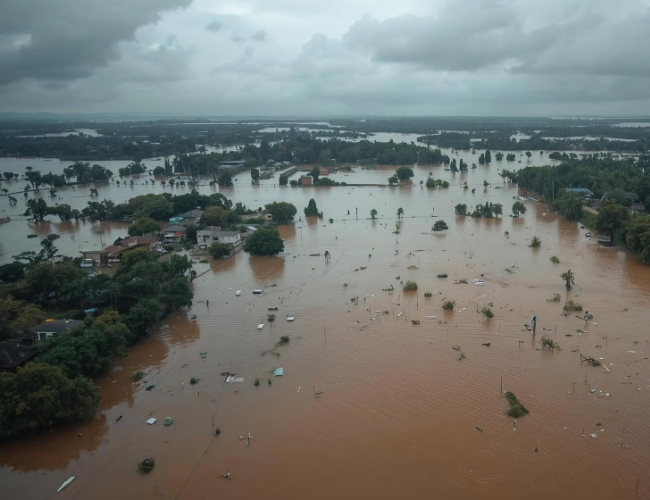
Climate change is the perfect example of how a localised action undertaken in one part of the world could cause severe damage in other parts of the world. The extreme weather events we have already seen in 2026 bear witness to this (the snow storms in Russia, the floods in Mozambique).
The International Court of Justice’s (ICJ’s) landmark advisory opinion handed down in July 2025 has paved the way for these claims to be brought.
The Opinion was the result of the approach in 2021 by a consortium of Small Island Developing States led by the Republic of Vanuatu seeking an advisory Opinion from the ICJ regarding the obligations of States under international law with respect to climate change.
The ICJ held in it’s unanimous opinion (of 15 Judges) that Nation States have a legal obligation to act with due diligence to protect the planet’s climate system from the deleterious effects of greenhouse gas (GHG) emissions.
The Opinion is non-binding but carries significant weight and is based on multiple international sources of law.
In terms of practical implementation, for a successful case to be brought the issue of causation will have to be dealt with and it us not known how a plaintiff would prove the degree of causation against either a Nation State or a private entity undertaking a GHG emissions activity. It would appear that some degree of apportionment would be required. Nevertheless, the important principle of individual Nation State liability for international global harm to other Nation States has been established.
South Africa Issues First Ever Infrastructure & Development Finance Bond
Added 19 February 2026
Introduction
On 9 December 2025, South Africa’s National Treasury successfully issued the country’s first sovereign Infrastructure and Development Finance Bond (“the Bond”), raising R11.795 billion through strong investor demand. Bids exceeded R26 billion and the issuance was 2.2 times oversubscribed, marking a clear signal of market confidence in infrastructure as an asset class and the government’s evolving financing strategy.
This landmark issuance represents more than just a funding mechanism, it marks a strategic shift in how public infrastructure is financed, governed and delivered. As South Africa looks to accelerate growth, improve service delivery and crowd in private investment, the legal foundations of these instruments are a critical component to the Bond.
What the Bond is and why it matters
The Bond was specifically designed to raise long-term capital for priority public infrastructure projects, including energy, water, transport and social infrastructure. Proceeds from the inaugural issuance will be channeled through the Budget Facility for Infrastructure (“BFI”), a specialised budget mechanism that rigorously screens and selects projects for funding. Unlike general sovereign debt instruments that fund broad government expenses, these bonds are earmarked exclusively for infrastructure. This focus on project-linked financing is aligned with global best practice in infrastructure investment, where transparency and traceability of expenditure help attract institutional and private capital. For regulatory experts advising on infrastructure transactions, the implications for due diligence, risk allocation and contract structuring are significant.
Legal and Regulatory Implications
Projects eligible for bond financing are assessed through the BFI’s rigorous screening and appraisal framework. Legal counsel will play a key role in advising clients on matter such as BFI eligibility criteria and compliance risks, regulatory approvals (environmental, land use, mineral rights, etc.) and contractual milestones that link funding drawdowns to delivery phases. These aspects underscore the increasing complexity of public-sector projects that now require not just sound engineering and financial structuring, but also well-calibrated legal frameworks supporting delivery. The oversubscription of the Bond reflects institutional confidence not only in South Africa’s economic trajectory but also in its legal and regulatory environment for infrastructure.
Capital Markets & Infrastructure: Risk, Reward, and Legal Risk Management
From the bondholder’s perspective, newly issued infrastructure bonds introduce considerations distinct from general government securities. Although government-backed, infrastructure bonds tied to a specific delivery framework can raise questions about project-linked risk allocation and fallback rights if projects underperform or are delayed. Ensuring accurate disclosures and legal risk assessments in bond documentation is essential to uphold investor confidence and meet regulatory standards. The strong subscription rate suggests active investor interest in longer-term instruments that support national development objectives but also places pressure on legal teams to structure enforceable contracts that balance return expectations with public-sector priorities.
A Broader Move Toward Sustainable Infrastructure Finance
The government’s introduction of the Bond is part of a broader fiscal and infrastructure reform agenda introduced in recent medium-term budget policy statements. These reforms aim to shift public expenditure from consumption toward investment, deepen domestic capital markets, and extend the duration of available capital for long-term asset creation. This shift underscores a key theme for regulatory experts working in this sector i.e. the legal frameworks governing infrastructure are evolving to support markets and governance structures capable of delivering sustainable development goals. As climate, social, and governance criteria gain prominence in capital markets, infrastructure financing will increasingly blend public and private interests resulting in increases to the need for legal frameworks that facilitate alignment across stakeholders.
For those operating in infrastructure development, construction, public-private partnerships or project finance, this issuance opens both opportunities and complexities. Enhanced access to local capital for large-scale projects, greater scrutiny of due diligence and legal compliance frameworks, new contractual standards for risk allocation and performance milestone and stronger governance and reporting requirements for public and private partners. At Gunn Attorneys, our practice spans project finance, energy, environment, and infrastructure law. We are closely tracking how instruments like the Bond reshape investment and legal risk in South Africa’s infrastructure ecosystem.
Conclusion
South Africa’s first Infrastructure and Development Finance Bond is more than a funding milestone, it marks the next step of the legal and financial architecture supporting national infrastructure. As government, investors and private partners align on delivery, legal expertise will be central to ensuring that these initiatives translate into job creation, economic growth and improved service delivery across the country.
Disclaimer:
This newsletter does not aim to provide a summary of all legal developments in the environmental, mining and natural resources sectors. For professional legal advice on any particular issue, please contact us.
Gunn Bytes –
LIMPOPO / MOZAMBIQUE FLOODS ARE A REGIONAL DISASTER
Added 19 February 2026
Dear Readers
As we welcome our friends and colleagues back and wish everyone all the best for 2026, it is unfortunately not good news from Limpopo and Mozambique.
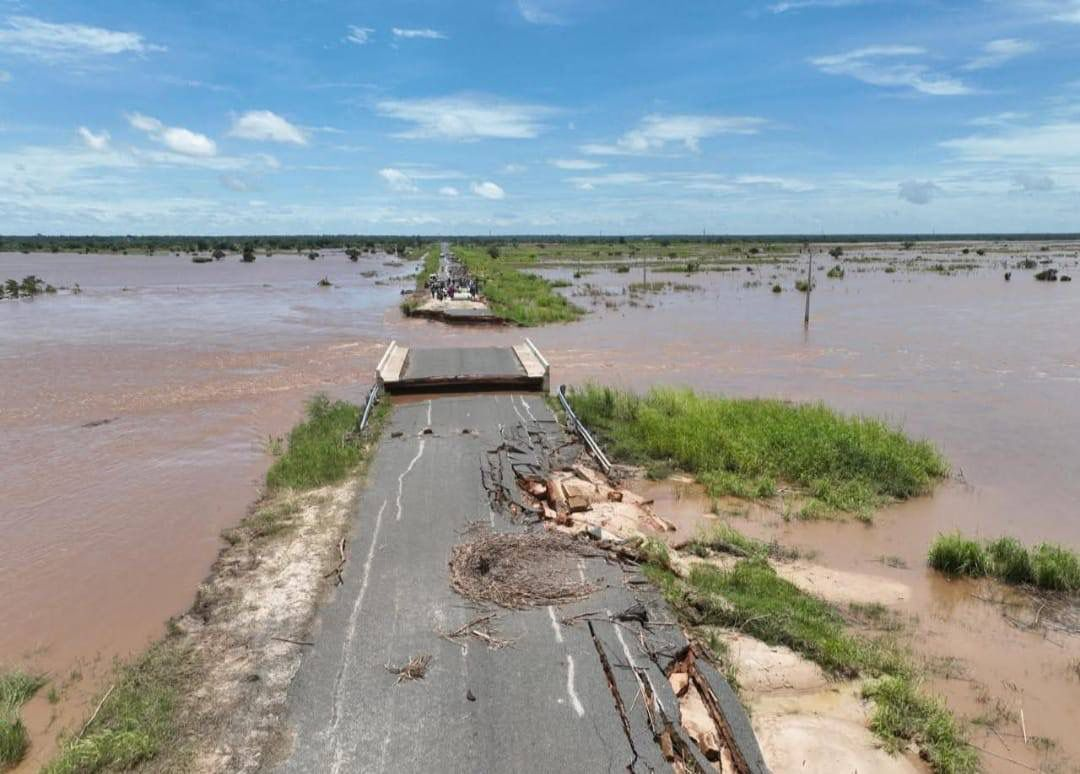
Heavy rains in late 2025 followed up by extreme rainfall caused by a tropical storm (cyclone) from the Indian Ocean inundated Limpopo Province and central / southern Mozambique.
It is estimated that as many as 150 people may have lost their lives in the floods.
Damage to infrastructure is massive. Houses, roads, bridges and dams in the area have virtually been wiped out. The damage to the environment is
unquantifiable at this stage but certainly riverine vegetation is severely damaged and certain aquatic animals such as hippo and crocodiles are displaced causing a threat to humans too.
The Mozambican government announced on Monday that it is estimated that almost 600,000 people have been affected by the catastrophic flooding that has engulfed much of southern and central Mozambique (with the epicentre being the Gaza province).
The UN states that the combination of waterborne diseases and malnutrition caused by the floods can often prove lethal as the floods severely disrupt food and water supplies, health services and care practices, pushing the most vulnerable to the edge.
The floods have been declared a national state of disaster in South Africa and a national emergency in Mozambique. Both Governments are providing assistance to affected communities wherever possible by road and to inaccessible areas by helicopter.
Many sources are linking the deadly floods to climate change, blaming developed nations and emphasising the need for aid to the undeveloped South. Certainly, it seems clear that these floods are happening more often. The one in a hundred year flood is now happening approximately every 10 years or so, with the Limpopo/Mozambique regions experiencing similar floods in 2000, 2012 and now in 2026.
Gunn Attorneys will be donating essential basic food items and providing support to flood victims in Limpopo around the Hoedspruit / Phalaborwa region. If you would like to get involved in this worthy venture and partner with us in making a difference, please contact us.
New Draft Regulations Published to Protect South Africa’s Groundwater Resources
Added 19 February 2026
Introduction
The Minister of Water and Sanitation, in Government Gazette 53828 Notice No. 6935, dated 10 December 2025, published the draft Regulations for the protection and management of national groundwater resources, in terms of section 26(1) (a), (b), (g) and section 143 of the National Water Act 36 of 1998 (“the Regulations”). The Regulations represent a significant development in South Africa’s approach to groundwater governance, aiming to strengthen oversight of borehole drilling, groundwater abstraction, and aquifer protection. The Regulations apply nationally and extend to all groundwater users, including Schedule 1 users, existing lawful users, general authorisation holders and licensed water users. Importantly, they also apply to both new and existing groundwater users. Key objectives include controlling drilling activities, setting clear construction and monitoring standards, and improving data management through mandatory registration and reporting.
Objectives: Sustainability, Standards and Data
The primary purpose of the Regulations is to promote the sustainable management of groundwater resources through clearer regulatory controls and consistent standards. This includes regulating borehole drilling activities, aligning groundwater development practices with existing South African National Standards (notably SANS 10299), and improving the collection and management of groundwater-related data. A central theme of the Regulations is the strengthening of the Department of Water and Sanitation’s (“the Department”) ability to monitor and manage aquifer use over time.
Mandatory Registration and Information Disclosure
One of the most significant changes introduced by the Regulations is the requirement for comprehensive registration and data submission. All borehole owners, including private and domestic users, must register their boreholes (referred to as “geosites”) on the National Groundwater Archive. Existing users are afforded a 12-month transitional period to comply. For new boreholes, a geosite identifier must be obtained before drilling, and detailed drilling data must be uploaded shortly after completion. Pump installation details, including yield test results and recommended sustainable abstraction rates, must also be submitted before groundwater abstraction may commence.
Where and How Boreholes May Be Drilled
The Regulations introduce specific prohibitions and restrictions on borehole drilling aimed at protecting public health, infrastructure and sensitive environments. Borehole drilling is prohibited within defined distances of cemeteries, waste disposal sites, pit latrines, fuel storage areas and other potentially contaminating activities. Additional restrictions apply in proximity to strategic infrastructure, Strategic Water Source Areas, critical biodiversity areas and designated groundwater protection zones. Certain high-risk activities, such as the disposal or injection of waste or hazardous substances into groundwater without authorisation, are expressly prohibited.
Monitoring Groundwater Quantity and Quality
The Regulations significantly expand obligations relating to groundwater monitoring. Groundwater users will be required to measure groundwater levels and abstraction volumes on a regular basis, install and maintain metering devices, and submit abstraction data annually. Water quality sampling and analysis will also be mandatory, with testing required to be conducted by accredited laboratories. Monitoring results must be uploaded to the Department’s regulatory information systems, enabling improved oversight of groundwater impacts at both local and national levels.
Authorisation, Access and Compliance
From a regulatory perspective, the Regulations reinforce the Department’s oversight and enforcement role. The Department is granted access to boreholes for routine audits, and groundwater users are required to apply for appropriate authorisations where water use exceeds existing entitlements. Non-compliance, including the failure to submit required information or the provision of false or misleading data, constitutes an offence and may result in significant penalties, including fines or imprisonment.
Why These Regulations Matter
Although still subject to public consultation, the Regulations signal a clear shift towards tighter regulation, improved data transparency and more proactive groundwater management in South Africa. Legal practitioners, environmental consultants, developers and landowners should take note of the proposed requirements and begin considering their practical and legal implications. Stakeholders are encouraged to review the Regulations in detail and participate in the public comment process before they are finalised. Any person wishing to comment on or make representations with regards to the proposed Regulations is hereby invited to do so within 60 days of the date of publication of this notice (excluding from 15th December 2025 to 05 January 2026) i.e., by no later than 2 March 2026.
Gunn Attorneys is well placed to assist clients in navigating the legal and regulatory implications of the draft Groundwater Protection Regulations. This includes advising on compliance obligations under the National Water Act 36 of 1998, assessing the regulatory status of existing and proposed boreholes, supporting water use authorisation and amendment processes, and guiding clients through the public participation and comment process. Gunn Attorneys also assists with risk identification at an early stage of project development, helping clients align groundwater use, environmental authorisations and land-use planning considerations in an increasingly regulated groundwater environment.
Regulations for the Protection and Management of National Groundwater Resources, 2025 can be accessed via the following link:
https://www.gov.za/documents/notices/national-water-act-regulations-protection-and-management-groundwater-resources
Disclaimer:
This newsletter does not aim to provide a summary of all legal developments in the environmental, mining and natural resources sectors. For professional legal advice on any particular issue, please contact us.
Gunn Bytes –
CRITICAL BIODIVERSITY AREAS (CBA’s) CRUCIAL IN PLANNING PROCESS
Added 19 February 2026
Dear Readers
In many EIA processes CBA’s are simply downgraded by the specialist or EAP on the basis that, in the specialist’s or EAP’s opinion they are degraded, or based on a site assessment or walk through, species diversity does not warrant protection of the area.
However, a recent appeal decision handed down by the Honourable Minister of the DFFE, Minister Willem Aucamp on 24 November 2025 in the matter of Matlabas Custodians NPC v Ntirho Resources (Pty) Ltd (LSA 242552) stresses the fact that CBA’s must be evaluated properly and in accordance with the EIA Regulations and relevant policies.
The property over which a prospecting right had been applied for was a CBA 1 and an area of high biodiversity importance. Matlabas Custodians appealed the decision of the DMPR to grant an EA for prospecting to Ntirho Resources.
The Honourable Minister held that a CBA 1 according to the NEMBA is an area of high ecological sensitivity where development and prospecting activities are strictly restricted or prohibited to protect biodiversity and ecosystem integrity. Further, the Minister referred to Regulation 16(3) of the EIA Regulations and confirmed that any report, plan or document submitted as part of an application must (a) comply with any protocol or minimum information requirements relevant to the application as identified and gazetted by the Minister in a government notice and (b) … (c) take into account any applicable government policies, plans or environmental management instruments and indicate how these instruments have been considered incorporated and utilised in the EIA process.
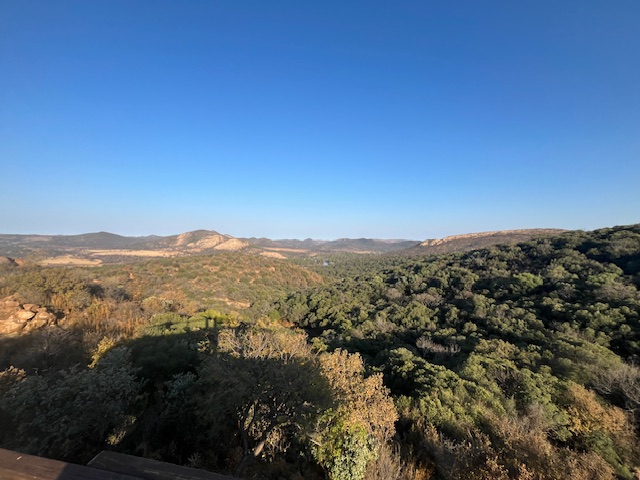
The Minister therefore concluded that the granting of an EA within a CBA 1 without a proper assessment contravenes the relevant provisions of the NEMBA and Regulation 16(3) of the EIA Regulations in that the guidelines associated with the CBA under NEMBA were not considered.
The Minister found that the EAP failed to provide a detailed layout plan of the proposed prospecting boreholes superimposed on the CBA 1 map. This omission compromised the ability of the EPA and the DMPR to assess the full impact of prospecting in a CBA 1 area.
In light of these fatal procedural errors in the EIA process and the fact that some portions of the area were declared Private Nature Reserves under the NEMPAA, the Minister upheld the Appeal and set aside the decision of the DMPR to grant the EA to Ntirho Resources.
Understaffed Municipalities and South Africa’s Water and Santitation Crisis
Added 19 February 2026
It is no secret that South Africa’s water and sanitation systems are under severe strain. National reliability of water services has dropped sharply, water quality is deteriorating in a large proportion of supply systems, and wastewater treatment failures are increasingly common. While infrastructure decay and corruption are major contributing factors, a critical structural driver is the chronic understaffing of municipalities.
The staffing crisis extends across qualified engineers, water professionals, technicians and administrative staff and has profound implications. It negatively affects the ability of the State to fulfil the constitutional right of access to adequate water and basic sanitation, while also eroding regulatory compliance across the water value chain. Municipalities already under massive financial strain are further crippled by the lack of trained staff to deal with existing supply problems.
This Gunn Byte outlines the key elements of this problem, including the nature and impact of the staffing crisis, its root causes, and practical solutions that look at legal, governance, and policy interventions.
Understanding the Problem
Municipalities are at the frontline of delivering potable water, maintaining distribution networks, operating wastewater treatment works, and managing sanitation services. In many parts of South Africa, this institutional machinery is hollowed out. Across the country, water and sanitation services are increasingly unreliable, with national reliability levels having dropped to about two-thirds of what is required for secure service.
A critical factor behind this issue is the shortage of knowledgeable, technically qualified officials in municipalities, which often lack engineers, plant operators, asset management specialists, technicians and contract managers/procurement officials. This is often the case despite municipalities having sufficient budget allocations to hire and pay such staff. The overarching consequence of this is a system where ageing infrastructure is neither properly managed nor strategically renewed.
Legal Context and Root Causes
Section 27 of the Constitution guarantees everyone the right to have access to sufficient water and obliges the State to take reasonable measures, within available resources, to progressively realise this right. Inadequate staffing in municipalities impedes the State’s ability to meet these obligations.
The net effect is that systemic human resources failures at a local level translate into widespread service delivery breakdowns. The lack of qualified personnel in municipal water services is now a structural risk to national water security. This manifests in several ways, including infrastructure collapse and water losses, wastewater and sanitation failures, ineffective use of water and sanitation budgets, and increased vulnerability to criminality and corruption.
The staffing crisis is the product of profound and deeply rooted governance, institutional and financial failures, rather than a lack of qualified people who could fill the vacant positions. Weak councils, frequent leadership changes, politicised appointments and inadequate performance management systems undermine the professional environment needed to attract and retain skilled staff.
The national funding gap for water infrastructure is well documented. While more than R90 billion per year is needed for a sustained period, actual expenditure has historically been far lower, and even increased medium-term allocations still leave a significant shortfall. In some cases, funds meant for operations and maintenance are diverted to cover other costs, leaving even fewer resources to sustain a technically capable workforce.
Many municipalities have also not invested in developing the next generation of water professionals. There are few structured internship, mentorship and bursary pipelines tied to municipal employment, and limited in-house training or continuous professional development. Without well-designed career paths, young engineers and technicians tend to gravitate towards better-managed metros, the private sector, or overseas opportunities.
Possible Solutions
Addressing the water and sanitation crisis requires treating understaffing as a foundational problem rather than a secondary symptom. Professional bodies have stressed the need for qualified, professionally registered engineers to occupy leadership roles within municipal infrastructure departments. Key measures include setting minimum qualification and registration standards for senior technical posts, creating competitive remuneration packages for scarce skills (especially in rural and smaller municipalities), protecting technical appointments from political interference and ensuring that senior staff have professional autonomy in carrying out their duties.
Well-designed public-private partnerships can bridge both funding and skills gaps. For example, the Limpopo bulk water programme utilises a 50/50 public-private cost sharing model, where mining companies finance a significant portion of infrastructure costs while government contributes through grants and budgeted facilities. Properly regulated public-private partnerships can bring in specialist expertise, improve project preparation and risk allocation, and allow municipalities to deploy the staff they do have to conduct oversight rather than execution.
Municipalities should also invest more in human capital, including establishing graduate and internship programmes in partnership with universities and technical colleges, funding bursaries in engineering and water-related disciplines and developing competency frameworks aligned with municipal water service obligations. Legally, such programmes support the constitutional duty to take reasonable measures, within available resources, to realise socio-economic rights.
Finally, targeted funding is required not only for infrastructure but for the human systems that run it. This includes dedicated grants for technical posts in rural and under-resourced municipalities, funding for modern asset management systems and digital tools that enable smaller teams to manage large networks more effectively, and support for establishing centres of excellence in key municipalities that can provide technical assistance to smaller municipalities in surrounding areas.
Conclusion
The water and sanitation crisis in South Africa is not only about pipes, pumps and treatment plants. It is fundamentally about people (or the lack thereof) in municipal institutions. Understaffed municipalities cannot plan, maintain or expand critical infrastructure, cannot spend budgets effectively, and cannot shield systems from corruption and criminal exploitation.
Until the shortage of skilled municipal personnel is treated as a central policy, governance and legal priority, infrastructure injections and emergency bailouts will remain reactive rather than solving the underlying systemic problems. By professionalising municipal leadership, leveraging public-private partnerships responsibly, investing in training and institutional reform, and targeting resources toward capacity building, South Africa can begin to restore reliability, legality and accountability in water and sanitation services, and in doing so, give concrete effect to the constitutional right of access to sufficient water.
Disclaimer:
This newsletter does not aim to provide a summary of all legal developments in the environmental, mining and natural resources sectors. For professional legal advice on any particular issue, please contact us.
Gunn Bytes –
SOUTH AFRICA’S NUCLEAR DILEMMA
Added 19 February 2026

Dear Readers
In the recently released IRP 2025, there is an interesting emphasis on “non-variable” energy sources such as gas and nuclear.
A nuclear build programme in South Africa would be associated with certain headwinds.
When South Africa took the decision to walk away from its nuclear ambitions and disarmed in the 1990’s it mothballed Pelindaba, the Nuclear Research facility and lost most of its skilled nuclear technicians. Any nuclear new-build programme would therefore have to import these skills from other parts of the world.
A large nuclear station is an incredibly capital-intensive programme with the rough estimated costs of a 2500MW plant costing R250 billion. However, given the poor budget control and massive cost over-runs on stations such as Medupi and Kusile, this figure could spiral quickly.
Although nuclear is the cleanest form of thermal power (if the waste is managed properly and safety protocol is maintained) reactors use a significant amount of water for cooling. In a water stressed country such as ours, this means that sites are severely limited to coastal locations only, which would use sea-water for cooling.
Although South Africa is a signatory to some of the international nuclear safety protocols and has a nuclear regulator, it is not a signatory to the primary international liability regimes established by the Paris and Vienna Conventions. This is a major hurdle for the industry and certain reputable nuclear suppliers may refuse to undertake projects in countries where this is the case, due to potential liability concerns.
And if all these head-winds can be addressed, some NGO’s are fundamentally opposed to nuclear energy and will use the judicial system to stop or delay these projects.
Certainly a complicated landscape that will need to be navigated for a successful nuclear new build programme!
South Africa’s Integrated Resource Plan 2025: A Balancing Act Between Reliability, Affordability and Decarbonisation
Added 19 February 2026
Introduction
The Integrated Resource Plan 2025 (“IRP”), published in the Government Gazette 53595 Notice No. 6767, dated 28 October 2025, lays out the country’s roadmap for electricity generation over the next two decades. The IRP arrives at a pivotal moment amid issues of load-shedding, grid instability and intensifying global and domestic pressure to meet climate commitments under the Climate Change Act 22 of 2024. The IRP seeks to balance three competing priorities i.e. energy security, affordability and the just transition toward cleaner energy. The IRP builds on the foundations of the 2010, 2019 and 2023 IRP versions but moves toward what it calls a “balanced energy mix”. Security of supply remains the overriding priority and the IRP recognises that SA’s renewable rollout must be matched with sufficient flexible and dispatchable capacity. Alongside this, the IRP places new emphasis on affordability and grid stability, while explicitly integrating socioeconomic transition planning to cushion coal-dependent communities from the effects of plant closures.
A Multi-pronged Approach to Energy Planning
Unlike earlier iterations, the IRP models a range of scenarios including the Reference Case, Gas-at-Risk, Aggressive Battery Learning, Delayed Coal Shutdown, and Nuclear pathways. Each scenario tests different combinations of costs, emissions, and system flexibility requirements. This multi-pronged approach allows planners and policymakers to stress-test outcomes under varying assumptions, building greater resilience into long-term planning. At the heart of the IRP is the Proposed Balanced Plan, which seeks to optimise the trade-offs between reliability, affordability, and emissions. The plan emphasises that SA’s grid must become more flexible and adaptive as renewable energy expands, requiring investments in storage, dispatchable capacity, and transmission infrastructure.
Managing the Just Coal Transition
One of the IRP’s most significant policy shifts is its explicit focus on the managed decline of coal. While coal still remains part of the energy mix for the foreseeable future, the IRP recognises the social and economic implications of plant closures. The government commits to developing socio-economic transition plans aimed at supporting workers and communities dependent on coal. This marks a clear departure from past plans that treated decommissioning largely as a technical or operational decision. The IRP, by embedding just transition principles into energy planning, signals an important policy evolution in that decarbonisation will not occur at the expense of social stability. Instead, the plan envisions a phased, managed process that links decarbonisation, industrial diversification, and social protection.
Hydrogen, Gas, & Nuclear
The IRP promotes hydrogen from a conceptual technology to a strategic opportunity for both industrial decarbonisation and export potential. It identifies hydrogen as a future pillar of SA’s clean energy economy, supported by renewables and aligned with emerging international demand for green(er) fuels. Similarly, natural gas is positioned as a transitional energy source that bridges the gap between coal-based generation and a renewable-dominant future. The IRP acknowledges gas’ critical role in providing flexible, dispatchable power especially during peak demand periods and as variable renewables expand. However, it also introduces a more cautious narrative, highlighting supply and pricing risks, infrastructure bottlenecks, and the need to avoid over-investment in long-lived fossil assets.
The inclusion of a Gas-at-Risk scenario signals government’s recognition that gas must be pursued strategically, with a focus on modular, short-lead projects that complement renewable integration rather than compete with it. This approach encourages investors to treat gas as a bridge technology, enabling stability and resilience in the medium term while maintaining alignment with SA’s long-term decarbonisation commitments.
Nuclear power, in the IRP 2025, is regarded as a strategic long-term option to preserve system stability and ensure reliable, low-carbon baseload generation as the country’s coal capacity declines. Rather than advocating immediate expansion, the IRP takes a measured and adaptive approach, focusing on the potential role of small modular reactors and advanced technologies that could make nuclear energy more flexible and financially viable in the future. The IRP emphasises cost transparency, regulatory readiness and safety assurance by reframing nuclear as a future-ready insurance policy that safeguards energy security in a deeply decarbonised grid. Its inclusion reflects a commitment to maintaining technological diversity and policy optionality, ensuring that South Africa’s energy transition remains both reliable and resilient over the long term
Comparing IRP 2025 with Previous Drafts
The IRP 2019 envisioned a diversified energy mix but still made provision for limited new coal capacity (around 1.5 GW) and deferred stronger action on coal phase-out. In contrast, the IRP 2025 takes a firmer stance as it plans explicitly for coal decommissioning and for replacing this capacity with renewables, storage, and flexible gas and nuclear. Earlier versions of the IRP and the 2016 Integrated Energy Plan focused heavily on base-load stability and the potential for new nuclear builds, treating renewables as a supplementary component. The IRP now shifts that balance by prioritising renewables, batteries, and hydrogen while keeping nuclear as a long-term option rather than a near-term commitment. Overall, the IRP represents a mature step in SA’s energy planning as it it moves from simply listing generation targets to modelling dynamic system transitions under climate and socio-economic constraints.
Policy Signals and Opportunities – How Gunn Attorneys can Assist
For businesses and investors, the IRP 2025 offers both clarity and challenge. On one hand, it signals government’s intent to align energy planning with net-zero and Nationally Determined Contribution targets, creating large opportunities in renewables, storage, and green hydrogen. On the other, it warns that fossil-based investments, particularly in coal and long-lived gas, will face increasing policy and financial risk. The inclusion of socio-economic transition planning, climate-aligned modelling, and technology diversification provides a strong framework for public-private collaboration. Investors should view the IRP not as a static document but as a strategic baseline guiding infrastructure decisions, industrial policy, and climate finance over the next decade.
Gunn Attorneys, with its deep experience in energy, environmental and infrastructure law, is well-positioned to assist developers, investors and public entities in aligning projects with the IRP’s objectives. We advise on environmental authorisations, energy-project permitting, water-use, biodiversity compliance, and climate-law obligations, while also supporting clients in structuring transactions and managing risk within the evolving regulatory framework. By bridging legal expertise with practical project insight, Gunn Attorneys helps ensure that the ambitions of the IRP translate into bankable, sustainable and compliant energy projects.
The IRP 2025, published on 28 October 2025, can be accessed via the following link: https://www.gov.za/documents/notices/electricity-regulation-act-integratedresource-plan-2025-28-oct-2025
Disclaimer:
This newsletter does not aim to provide a summary of all legal developments in the environmental, mining and natural resources sectors. For professional legal advice on any particular issue, please contact us.
Special and General Notarial Bonds: Purpose, Process, and Practical Guidance
Added 19 February 2026
Introduction
Notarial bonds are a core security tool for businesses and lenders. They create a contractual hypothecation of movable property in favour of a creditor, registered in the Deeds Office, without transferring ownership. Gunn Attorneys assists clients in choosing the correct bond structure, drafting precise bond documents, registering bonds, and enforcing security where required.
Purpose and Commercial Uses
Notarial bonds are used to secure lending or credit facilities where immovable property is unavailable or inappropriate. They are also used to provide a creditor with priority in insolvency over the proceeds of specified movable assets (special bonds) or a preference in insolvency in respect of movables generally (general bonds). A third common use of such bonds is to support working capital facilities, asset-backed loans, equipment and vehicle finance, stock finance, and other commercial credit arrangements.
Types of Notarial Bonds
Special notarial bonds are used to cover specifically identified movable assets (for example, by serial number, registration number or another identifying characteristic). Where correctly drafted and registered, it confers a real right over the specified movables and secures the bondholder’s claim to the proceeds of those assets ahead of concurrent creditors. These bonds are best used where particular assets can be uniquely described and where the creditor requires a primary security position.
General notarial bonds purport to cover movables generally (present and future) without specific identification. As a matter of practical application, it does not by itself create a real right over listed movables. Instead, its principal value arises on the insolvency of the debtor by giving the holder a statutory preference in respect of proceeds of the movables subject to the bond. These bonds may include a perfection clause which, if acted upon, enables the creditor to obtain possession of the movables and thereby convert its personal right into a real right by creating a pledge-like position. These bonds are generally used for revolving facilities or where the exact pool of movable assets fluctuates.
Key Legal and Procedural Points
Special notarial bonds must describe assets, so that they are readily and uniquely identifiable from the bond itself. Vague descriptions risk losing the bond’s real-right effect. Notarial bonds are executed before a notary and lodged for registration in the appropriate Deeds Office.
A general notarial bond containing a perfection clause enables the creditor to take possession (by agreement or court order) and thereby perfect security by creating a pledge-type real right. Lawful possession is essential for perfection. A bond may also include a parate executie clause permitting the creditor to sell movables upon default without following ordinary execution processes, but such clauses must be carefully drafted and used in accordance with applicable procedural safeguards and any relevant statutory/regulatory frameworks.
These bonds have profound consequences in insolvency proceedings. A perfected special notarial bond or a perfected pledge resulting from possession under a general notarial bond will rank for proceeds of the encumbered movables ahead of concurrent creditors. If a bond is unperfected or poorly described, the creditor’s rights may be limited to a preference over the free residue or may be at risk.
Typical Process
Clients should obtain pre-contract advice to determine the asset pool and decide whether a special or general notarial bond is required, based on asset identifiability, commercial needs, and insolvency priorities. The notary public will prepare the notarial deed, which must be signed in the notary’s presence. or special bonds, include precise identifying information for each asset. For general bonds, include a clearly drafted perfection clause if the creditor requires the ability to perfect by taking possession.
The notary public will lodge the deed at the appropriate Deeds Office within the required period. At Gunn Attorneys, we offer assistance with the entire process of advising on, drafting and registering special and general notarial bonds. Correct selection, drafting and execution of notarial bonds materially affects creditors’ remedies and ranking on insolvency. Gunn Attorneys provides practical, commercially-focused solutions that combine careful drafting, procedural readiness for perfection and enforcement, and protection of client priorities.
Disclaimer:
This newsletter does not aim to provide a summary of all legal developments in the environmental, mining and natural resources sectors. For professional legal advice on any particular issue, please contact us.
Gunn Bytes – DO REHABILITATION LIABILITIES DISAPPEAR WITH LIQUIDATION?
Added 19 February 2026
Dear Readers
With the tough economic environment in South Africa, we have recently been involved in a number of liquidation scenarios.
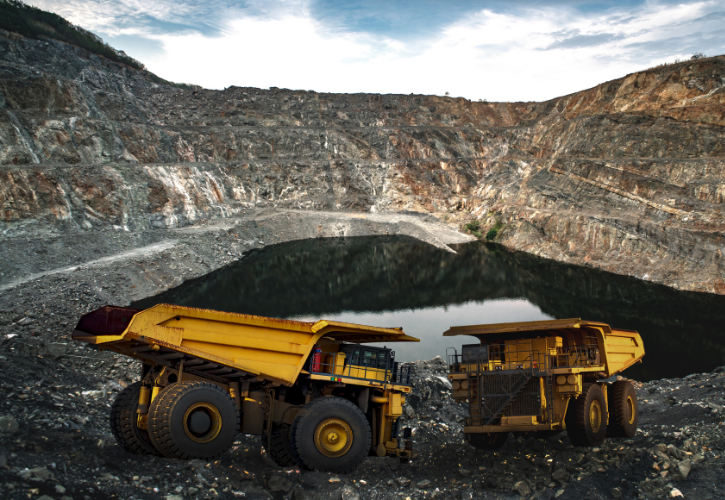
The liquidator has a myriad of issues to deal with in a liquidation and the question often arises whether the rehabilitation obligations of a company disappear with the liquidation?
An operation’s rehabilitation obligations primarily stem from the National Environmental Management Act (NEMA), Section 28, the general duty of care and Section 24. In the case of certain operations, including mines, an operator of a mine is obliged to assess its rehabilitation obligations (contained in its Environmental Management Programme (or EMPr)) and must provide adequate finance to undertake such rehabilitation in terms of Section 24P, which is then reviewed and updated regularly according to the Regulations.
Therefore, many operations will have a separate fund to cover their environmental rehabilitation obligations even in the event of a liquidation.
But what about the case where a liquidation (or business rescue process) takes place and no rehabilitation fund exists or it is inadequate? NEMA and other statutes do not specifically cover this issue so we may look to the Courts for guidance.
The high-water mark in this regard remains the related cases of: In these cases the court held that neither liquidation, nor the sale of a mine (and related transfer of landholding) interrupt the mine’s environmental rehabilitation obligations.
Harmony Gold Mining Company Ltd v Regional Director: Free State Department of Water Affairs [2006] SCA 65 (RSA)
Harmony Gold Mining Company Ltd v Regional Director: Free State Department of Water Affairs (971/12) [2013] ZASCA 206 (4 December 2013)
This makes complete sense. Were the law to be interpreted any other way, it would be too easy to simply liquidate or sell a mine to escape rehabilitation obligations.
South Africa’s Waste Exclusion Regime: Toward a more Robust Inclusive Regulatory Era
Added 30 October 2025
Introduction
In the last year or so, South Africa’s overarching approach to the legal treatment of waste and waste streams, and particularly the exclusion of certain waste streams from the broader regulatory net, has undergone a much-needed reassessment. Policymakers have long recognised that not all so-called “waste” presents the same environmental or public health risks, nor should every industrial by-product be destined for landfill. The Regulations regarding the Exclusion of a Waste Stream or a Portion of a Waste Stream from the Definition of Waste, 2018 (“Exclusion Regulations”), published in terms of the National Environmental Management: Waste Act 59 of 2008 (“NEMWA”), established a mechanism to allow specific waste streams be reused, recycled, or recovered for beneficial purposes, if strict evidence-based safeguards could be met.
However, practical experience soon exposed significant challenges. Namely, the process for securing an exclusion was often slow and burdened by red tape, copious volumes of required documentation and multiple layers of approval needed to succeed. Stakeholder frustrations inevitably grew, putting the burgeoning circular economy in South Africa at risk.
Rethinking Exclusions: The Draft 2025 Amendments
In response to this increased stakeholder pressure, draft amendments (“Draft Amendments”) were released in early-2025. The Draft Amendments proposed to amend the Exclusion Regulations, intending to streamline, clarify and reinforce the framework governing waste exclusions. Some of the more impactful proposed changes in the Draft Amendments are briefly explored below. Enhanced Public Participation: the Draft Amendments require a comprehensive engagement process, with waste generators seeking exclusion now required to show that all affected parties (including community organisations, industry peers and neighbours) have had sufficient opportunity to comment on and shape proposed applications. This is materially different from the current position, which requires the Minister of the Department of Forestry, Fisheries and the Environment (“DFFE”) to conduct the consultation process with members of Cabinet and MECs, as well as publish a public participation notice in the Government Gazette. The effect is that applicants will be required to incur additional costs on conducting a public participation process that complies with the Draft Amendments.
Trial Project Registrations: the Draft Amendments introduce the concept of trial projects, creating a path for waste generators to pilot new exclusion models under controlled conditions. Trial registration allows applicants to test waste diversification or resource recovery initiatives, while the state retains the right to halt projects if risks emerge.
Obligatory External Audits: annual, independently-audited risk management reports will be required, introducing impartial scrutiny and transparency and aiming to increase levels of both corporate accountability and civil society confidence in waste stream exclusion decisions.
Increased Penalties: to further deter non-compliance, the Draft Regulations revise the penalties to include imprisonment of up to 15 years, a fine that is appropriate in the circumstances, or both a fine and imprisonment. This represents a change from the position under the Exclusion Regulations, which provide for 5 years’ imprisonment for first offences and 10 years’ imprisonment for subsequent offences.
Practical Example
Under the current Exclusion Regulations, a waste generator seeking to have coal ash excluded would need to submit an application with evidence of its planned use as a cement feedstock, a risk assessment and a stakeholder consultation report. If all criteria are satisfied, the Minister may grant an exclusion allowing the business to use the coal ash waste as a resource instead of requiring landfill disposal. However, this process has often proven slow, highly centralised, and weighed down by administrative hurdles.
The Draft Amendments aim to streamline this process while maintaining strong oversight.
The same applicant would now benefit from a clearer, more structured pathway to approval. Instead of lengthy back-and-forth with government departments, the business itself leads the engagement, conducting and funding a transparent public participation process that directly involves affected communities and industry peers. If the applicant wishes to test a new recovery method, it can do so through a registered trial project. This is an innovation designed to enable learning and regulatory flexibility without compromising safety. Once granted, the exclusion would be subject to predictable, ongoing accountability measures, being the submission of annual risk management reports.
While the process is designed to be more streamlined, non-compliance would expose the business to more severe consequences. The revised penalties under the Draft Amendments include fines potentially much higher than before, and imprisonment for up to 15 years rather than the previous maximums of 5 or 10 years.
Where Do We Stand Now?
As of September 2025, the Draft Regulations remain in the consultation and consolidation phase. Following notable engagement and a surge of public input by the June cut-off date for comments, the DFFE has yet to issued gazetted revisions. While industries continue to lobby for workable, risk-based rules, environmental advocates urge that the spirit of public oversight and precaution should not be diluted.
For South African industry, this means that forward planning and regulatory engagement are now non-negotiable. Businesses should review their waste streams, anticipate stricter monitoring, and prioritise stakeholder relationships. Only those prepared for a more sophisticated, participative regime will productively navigate the changing landscape.
With reform on the horizon, South Africa stands at a crossroads that requires balancing industrial growth with stewardship of our environment. These amendments, once finalised, will further this goal for generations to come.
Disclaimer:
This newsletter does not aim to provide a summary of all legal developments in the environmental, mining and natural resources sectors. For professional legal advice on any particular issue, please contact us.
Gunn Bytes –
Abundance of resources for sadc energy projects
Added 30 October 2025
Dear Readers
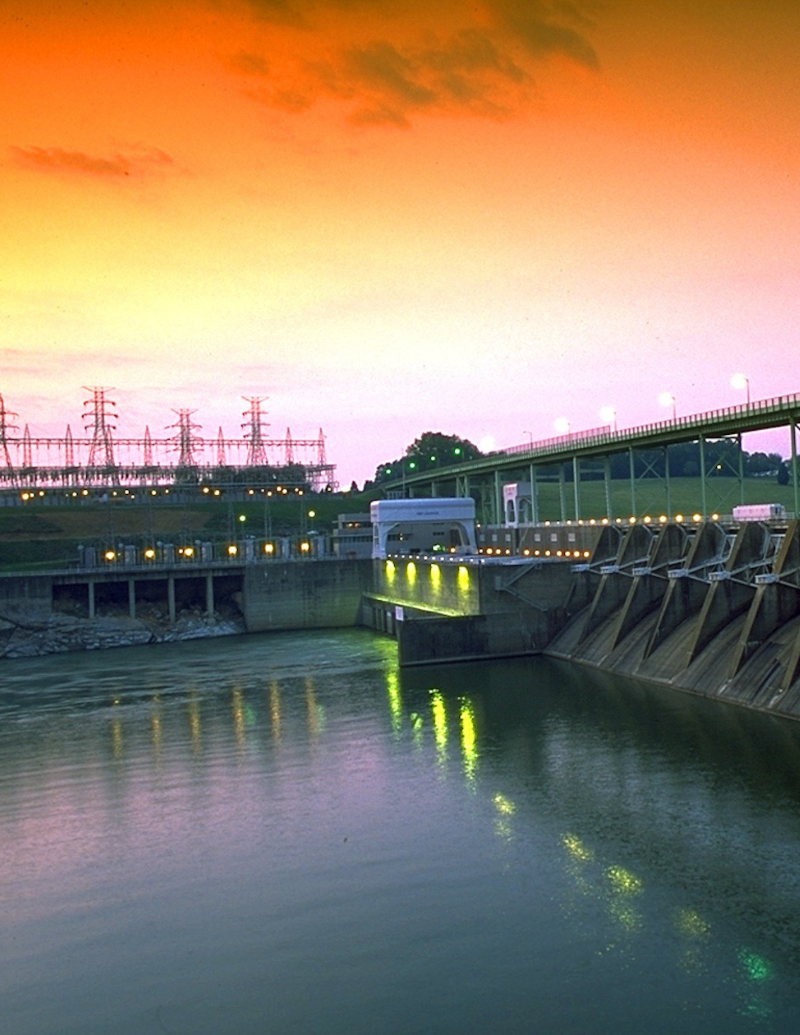
As the sun sets on the appetite for coal-fired and other thermal energy sources in Southern Africa, there are an abundance of renewable energy projects available in SADC countries.
South Africa, for instance has some of the best solar radiation in the world, particularly on the western side of the country as do Namibia and Botswana. Although grid capacity is currently acting as the major constraint, it is hoped that the restructuring of Eskom’s transmission and distribution will unlock further opportunities. What is notable is that a lot of the larger solar PV projects are being proposed in sensitive areas where thousands (perhaps millions) of species of fauna and flora will have to be wiped out to make way for the solar PV panels. It is arguable that this was never the intention of solar PV projects and that with much of the finance for these projects coming from apparently green funds, they are bound to find better solutions. Rooftops. Impacted land, for instance.
The rivers of South Africa are generally not suitable for hydroelectric power (volumes are simply too small), however if one looks further north, the mighty Zambezi, Congo and Kafue Rivers provide excellent opportunities for hydroelectric power. Replacing SADC’s reliance on coal-fired energy with hydroelectric power from as far afield as the Democratic Republic of Congo has been mooted for years and technically it is possible but the complexity of moving electrons from the Congo to Southern Africa (through the western corridor named Wescor) is enormous as transmission corridors would have to span several countries and close political co-operation would be required from participating States. Nevertheless, the capacity for a mega-hydro project such as Grand Inga to supply in excess of 40 000 MW to the African continent remains. ‘
Project financing, social and environmental issues are complex and the effects of these mega-projects on Rivers and Communities are significant. On the flip-side of the positive economic benefits that it generates, even a clean and renewable energy source such as hydro has big negative social and environmental impacts. They are simply unavoidable and are a cost of generating and consuming energy. As the legendary Sir David Attenborough remarked: all energy has significant negative environmental and social costs- not only do we need to become better at generating energy, we need to become more efficient at using and storing it too.
Gunn Bytes –
A water infrastructure bill presents opportunities for private seCTOR INVESTMENT
Added 30 October 2025
Dear Readers
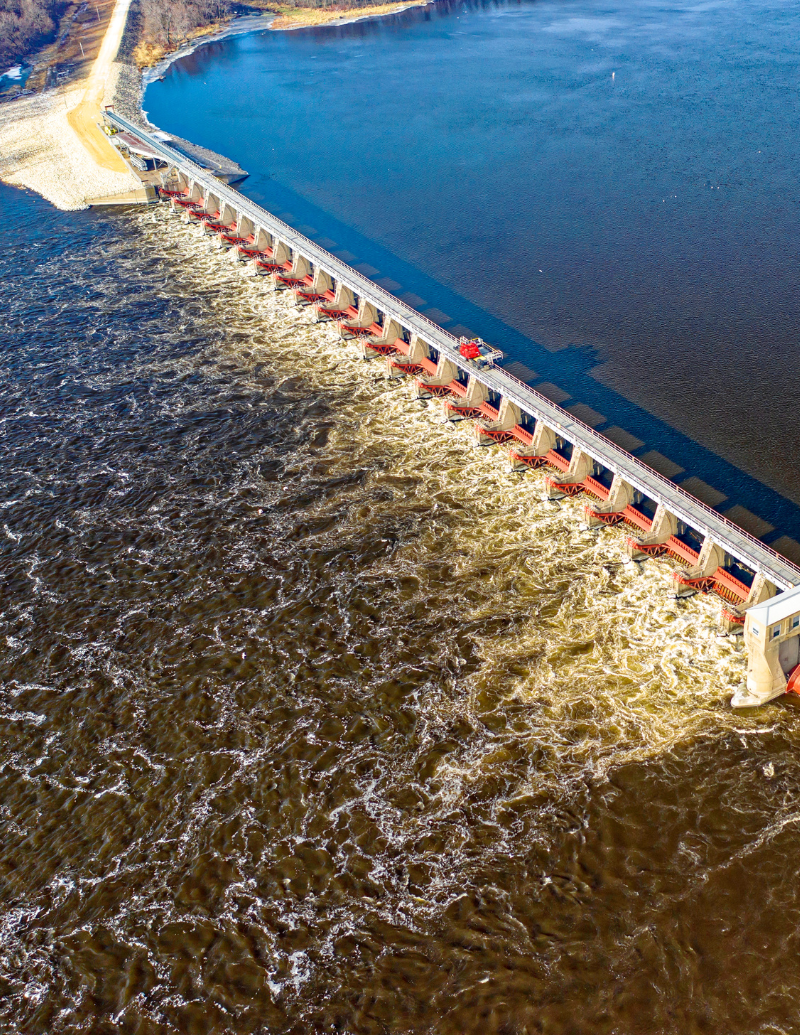
On 27 August 2024, the President signed into law the South African National Water Resources Infrastructure Agency SOC Ltd Bill, which established a new Agency that would be responsible for developing and managing national water infrastructure, and aimed to attract finance for new projects through private sector investment.
The Water Infrastructure Agency Bill had been floating around for over a decade and finally the urgent need for investment in the water sector brought progress.
Since 1986, the Trans Caledon Tunnel Authority (TCTA) assumed the role as implementer of large water infrastructure projects in South Africa, notably on mega-projects such as the Berg River Project and the Lesotho Highlands Water Project (supplying Gauteng with its lifeblood water).
The Water Infrastructure Agency Act envisages the disestablishment of the TCTA and the transfer of its assets and functions to the new Water Infrastructure Agency. The Corporate Plan of TCTA (2024 – 2027) shows that the TCTA has had its hands full trying to make projects profitable, with 6 of its major projects being in “debt management”.
The Water Infrastructure Agency Act aims to establish a profitable, well governed state-owned entity that should work together with the private sector to develop, fund and manage sustainable water infrastructure projects.
Therefore, the intention is to develop the Agency as a matter of urgency (with a target date of April 2026) to save a potential crisis from developing. So how are we doing in terms of implementation?
The Water Infrastructure Agency Act was proclaimed by the President on 25 February 2025.
According to Parliamentary hearings undertaken in July 2025 regarding the progress made, the transition was ongoing- the Agency is in the process of being established and the TCTA is being disestablished, this includes the transfer of the Water Trading Entity and the Infrastructure Branch. Certain regulatory alignments were being made with the Public Finance Management Act, which were required.
However, according to the parliamentary debate, it is clear that this is going to be a complex process. Similar to what happened to Eskom there are huge unpaid debts from some municipalities to the TCTA. The Department of Water and Sanitation has also not cleaned its slate with the TCTA.
Financial estimates discussed in parliament relating to the transition, include estimated liabilities of R120 billion against assets valued at R200 billion.
Funding institutions have indicated that they are keen to step in and help out with this critical infrastructure challenge, however, not until Government has its house in order.
Water Rehabilitation Guidelines in South Africa: Responsible Parties and Nature of Duties
Added 30 October 2025
Introduction
South Africa faces increasing ecological and developmental pressures on its diverse water resources, making the effective rehabilitation and protection of lakes, rivers, wetlands and related ecosystems vital for national water security and sustainability. The Department of Water and Sanitation (“DWS”), in response to this imperative, has developed the Draft Water Rehabilitation Management Guidelines (“the Draft RMGs”).
The Draft RMGs embody South Africa’s commitment to water resource protection and rehabilitation by clarifying legislative obligations, defining responsible actors and detailing technical processes required to restore degraded water resources.
Legislative Basis of the RMGs
The Draft RMGs are underpinned by the National Water Act, 36 of 1998 (“NWA”).
Specifically, Chapter 3 of the NWA, which deals with water resource protection, stipulates that the protection, use, conservation, management, and control of water resources must be achieved sustainably and equitably. Within this legislative framework, sections 19 and 20 of the NWA are central. Section 19 imposes a duty on landowners, occupiers and users of water resources to take reasonable measures to prevent pollution of water resources or to remedy any pollution that does occur. Section 20 of the NWA deals with emergency incidents, imposing immediate responsibilities to control, minimise and remedy the effects of spills or events that pollute water resources. This legislative context makes it clear that water resource rehabilitation is a legally mandated process, not merely a matter of policy discretion.
Contents of the RMGs
The Draft RMGs are aimed at avoiding, minimising and remedying water quality degradation of water resources such as rivers, dams, wetlands, estuaries, groundwater and dams and lakes. The Draft RMGs are split into four volumes, each dealing with a specific type of water resource, while there is also a Guidelines in Practice report which sets out the roles and responsibilities of key stakeholders and role-players in the field of water rehabilitation.
The Draft RMGs set out a five-phase process for water rehabilitation:
Diagnostic Phase: Assess the scale and nature of impacts using field visits, satellite imagery and hydrological analysis.
Planning and Assessment: Gather all relevant data, evaluate ecological risks and review all legal requirements, including NWA licences and compliance with other environmental legislation.
Defining Rehabilitation Objectives: Establish clear, measurable objectives for returning the resource to a targeted ecological condition.
Execution Phase: Deploy technical interventions (ranging from erosion control and re-vegetation to water quality treatment and structure removal) following best-practice guidelines.
Monitoring, Evaluation and Reporting: Continuously track rehabilitation progress, evaluate performance against objectives, and submit required Rehabilitation Reports with mapped evidence and before/after photographs. Cont.
Water Rehabilitation Guidelines in South Africa: Responsible
Parties and Nature of Duties
This process is designed for adaptation to diverse settings, including rivers, wetlands and urban watercourses.
Who Must Conduct Rehabilitation?
South Africa’s water rehabilitation regime is characterised by multi-stakeholder participation, with legal and practical responsibilities spread out across numerous key actors and stakeholders.
The DWS: the DWS is the lead agency responsible developing the guidelines, setting technical standards, coordinating implementation efforts, and ensuring overall compliance. DWS also organises stakeholder consultations to shape guideline content and integrates feedback from a broad range of sectors.
All Spheres of Government: National, provincial, and municipal governments, including catchment management agencies (“CMAs”) and water boards, are critical implementation partners. These entities often manage, fund, and directly execute rehabilitation projects, especially for state-managed water infrastructure or public goods such as wetlands within municipal boundaries or provincial nature reserves.
Landowners and Water Users: The NWA directly imposes a legal duty on landowners, occupiers, and users, whether they are individuals (such as farmers), companies (such as mining houses), or municipalities, to prevent or remediate pollution and degradation on land under their control. In instances of non-compliance, authorities may issue directives compelling rehabilitation or perform the remedial work themselves and recover costs.
NGOs and Civil Society: Non-governmental organisations, community groups, and research institutions play supportive roles by providing specialist skills, mobilizing local communities, and monitoring rehabilitation outcomes. They often partner with government or industry to deliver practical rehabilitation on the ground.
Private Sector: Large-scale and corporate water users, such as agriculture, industry, and mining, bear responsibility for remediating impacts caused by their activities.
This role may arise from direct legal liability or as a condition of water use authorisations. Corporate social responsibility initiatives may also motivate or support rehabilitation.
Voluntary or Mandatory?
A key feature of the rehabilitation framework, which the Draft RMGs will form an integral part of if and when they are formally enacted, is that compliance is compulsory and legally enforceable under the NWA. Whenever pollution or degradation occurs, the parties causing, responsible for, or benefitting from the activity are under a statutory duty to rehabilitate the affected water resource.
The Draft RMGs themselves elaborate technical procedures and support effective, science-based rehabilitation, but the underlying legal obligation to act is not voluntary.
For example, if a municipality’s wastewater treatment plant causes pollution, that municipality must halt the harm and rehabilitate the river, following prescribed legal and technical processes.
Once the Draft RMGs come into force, if a mining operation’s acid mine drainage affects a wetland, the mining company is legally bound to both halt ongoing harm and rehabilitate the wetlands using the Draft RMGs’ diagnostic, planning, remedy implementation, and monitoring steps. DWS oversees the process, may require progress or completion reports, and may bring enforcement action in cases of non-compliance. NGOs and community forums may assist with technical expertise or oversight.
However, while the current version of the Draft RMGs is in draft form and is subject to consultation, the legal duty to rehabilitate is already in force under the NWA. The Draft RMGs provide clarity, technical direction, and standardisation, but do not substitute or weaken these core duties.
Conclusion
South Africa’s water rehabilitation regime is both inclusive and mandatory. The State, landowners, civil society, and the private sector all have defined and enforceable duties in the process. The NWA provides the statutory imperative, while the Draft RMGs ensure technical soundness, transparency, and alignment with international best practice.
Ultimately, these obligations are designed to secure the nation’s water resources for present and future generations.
Disclaimer:
This newsletter does not aim to provide a summary of all legal developments in the environmental, mining and natural resources sectors. For professional legal advice on any particular issue, please contact us.
Gunn Bytes –
National TRANSMISSION COMPANY OF SOUTH AFRICA FORGES AHEAD
Added 30 October 2025
Dear Readers
In July 2024, Eskom made the announcement that the National Transmission Company of South Africa (NTCSA) would commence trading. This followed decades of debate around the restructuring and unbundling of Eskom that previously had a monopoly on all aspects of electricity – generation, transmission, market operation and distribution.
The rationale for the separation of the transmission function and creation of a separate legal entity (although wholly owned by Eskom) was so that the NTCSA could own and operate the country’s national transmission system, be responsible for the System Operator, provide the grid strengthening function together with energy market services and play the role of the International Trader of electricity in the South African context.
An important function of the NTCSA is to trade with Eskom Generation and Independent Power Producers (IPPs). Amendments to the Electricity Regulation Act (which became effective on 1 January 2025) facilitate a transition to a more competitive electricity market enabling the NTCSA to assume the additional role of Market Operator – providing a trade platform for generators, consumers, and retailers alike.
Another major aim of the structural and regulatory reforms and the establishment of the NTCSA is to increase the capacity of the national transmission grid to allow the connection of vital new power generation capacity. This bottleneck (insufficient grid connection points on an over-capacity transmission grid) and the lack of ability to expand the existing transmission network has hampered the ability of IPP’s to connect new generation capacity to the network.
The establishment of the NTCSA (and the underpinning market reform) is a significant step in the restructuring of Eskom and the South African electricity market – which should enable positive transformation of this vital economic cog.

Water Mafias in South Africa – Legal Risks
Added 30 October 2025
Introduction
South Africa’s ongoing water crisis has inadvertently paved the way for the emergence of so-called “water mafias”. These are criminal syndicates that sabotage municipal water treatment and supply infrastructure, exploit self-created water shortages, and profit from the delivery of emergency water supplies at massively inflated prices. This is a growing issue that ultimately undermines not only water security, but also the constitutionally mandated right to have access to sufficient water. In this Gunn Byte, we briefly examine the legal dimensions of the water mafia phenomenon.
Understanding the Water Mafia Problem
Water mafias operate by damaging water supply systems or exploiting existing breakdowns, worsening the shortages being experienced by communities. Syndicates are often tied to local government officials, be it by collusion, intimidation, corruption or otherwise, who enable them to secure contracts for water delivery. This often involves water tankers delivering water to communities at exorbitant rates. Water mafias often siphon water directly from public sources to then on-sell to users, or they provide unsafe water to affected residents. The reach of these criminal syndicates has expanded from predominantly rural areas to major metropolitan municipalities such as eThekwini and Johannesburg, bolstered by poor state oversight and ongoing infrastructure collapse.
Legal Framework and Remedies
Section 27 of the Constitution guarantees everyone the right to have access to sufficient water and compels the State to take reasonable legislative and other measures, within available resources, to realise this right. Water mafias, by disrupting supply and eroding quality, directly threaten this constitutional entitlement. The South African Human Rights Commission has called for improved law enforcement and resource allocation to protect this right and ensure reliable service delivery.
South Africa’s legal framework contains numerous avenues for combating the activities of water mafias. These include criminal prosecution for sabotage of infrastructure, theft, fraud and corruption, which are all crimes that can be prosecuted in terms of the Criminal Procedure Act, 51 of 1977, the Prevention and Combating of Corrupt Activities Act, 12 of 2004 and the Municipal Finance Management Act, 56 of 2003. In terms of contractual remedies, municipalities and other affected parties may institute civil claims for damages due to breach of contract, substandard performance, or negligent supply of services.
Contracts obtained by fraud or corruption can be challenged and invalidated.
In addition, oversight bodies like the Public Protector possess statutory powers to investigate maladministration, fraud, and corruption, and to recommend or implement remedial action. Despite these remedies, systemic failures often impede robust enforcement. Many municipalities lack the resources or political commitment to uphold regulations effectively. Collusion between officials and syndicates, coupled with intimidation tactics, stymies successful investigation and prosecution. The slow pace of judicial and administrative processes further allows criminal activities to proliferate.
How Gunn Attorneys Can Assist
Gunn Attorneys is uniquely positioned to help corporates, municipalities and private parties respond to the legal threats posed by water mafias through risk and compliance assessments, contract review and enforcement, pursuing legal remedies and engaging with oversight authorities.
Water mafias are a strategic threat to South Africa’s water security and the legal rights of its citizens. While weaknesses in enforcement and governance remain, a combination of proactive risk management, contractual due diligence, litigation, and engagement with regulators can significantly mitigate exposure and foster accountability. Gunn Attorneys stands ready to advise and represent clients at every stage, ensuring the protection of your interests and the upholding of constitutional rights amid this critical challenge.
Disclaimer:
This newsletter does not aim to provide a summary of all legal developments in the environmental, mining and natural resources sectors. For professional legal advice on any particular issue, please contact us.
Gunn Bytes –
National TRANSMISSION COMPANY OF SOUTH AFRICA FORGES AHEAD
Added 30 October 2025
Dear Readers
With the increasing interest from the community to conserve and protect our natural heritage, we frequently receive queries regarding what options are available under South African law to conserve land and what status do these options provide.
Staring at the thin end of the wedge (ie: the least onerous process which is associated with basic protection of the land) on Level 1, there is the option to register land as a conservancy with the provincial authority. This is most appropriate for community land for example to create buffer zones, but it might not carry with it a permanent status or longevity.
On level 2 we find various forms of conservation areas that may be established by entering into a Biodiversity Management Agreement under the NEM National Environmental Management Biodiversity Act (NEM: Biodiversity Act) or by entering into other biodiversity agreements or forming conservation servitudes. These are generally a minimum of 5 years in duration and provide the land with a moderate level of protection.
Biodiversity Stewardship in South Africa – A Collaborative Model
for Conservation
Added 30 October 2025
Introduction
South Africa is one of the most biologically diverse countries in the world, home to nearly 10% of the planet’s plant species and a remarkable range of ecosystems — from fynbos and forests to grasslands and savannas. Protecting this natural heritage is both a national and global priority. Yet, with much of South Africa’s biodiversity found on privately or communally owned land, traditional conservation models relying solely on state-owned protected areas are no longer sufficient.
This is where the concept of Biodiversity Stewardship steps in. It provides a unique approach that enables landowners, communities, and the state to collaborate in conserving land of high biodiversity value.
What is Biodiversity Stewardship?
As indicated in our previous articles in March and earlier this month, biodiversity stewardship is a voluntary conservation mechanism that encourages private and communal landowners to formally protect and manage their land in support of national and provincial conservation goals. Through legally recognised agreements, stewardship sites can range from formally declared nature reserves under the National Environmental Management: Protected Areas Act 57 of 2003 to more flexible conservation areas, established through contractual arrangements. The model allows landowners to retain ownership and use rights while receiving technical, legal, and sometimes financial support from conservation agencies. In return, they commit to sustainable land management practices that preserve the ecological integrity of their land.
Why Stewardship Matters
South Africa’s conservation landscape reflects a simple reality in that large portions of the country’s most important biodiversity lie outside state-owned protected areas.
Stewardship helps bridge this gap by expanding the conservation footprint through partnerships rather than expropriation or state acquisition. It is also an effective tool for advancing socio-economic development. Stewardship initiatives can generate jobs through eco-tourism, restoration projects, and sustainable agriculture and aligning conservation goals with rural livelihoods and land reform objectives. According to the World-Wide Fund for Nature South Africa (“WWF”), over the past 20 years, more than 95% of all new protected areas (around 2,5 million hectares) have come about through biodiversity stewardship mechanisms, which incentivise communal and private landowners to protect biodiversity while they continue to live and thrive on their land.
Success Stories
A recent example of this is the newly announced “Grassland National Park”, located in the northern part of the Eastern Cape Province grasslands of the Rhodes, Naudé’s Neck and Maclear (renamed Nqanqarhu) area. On 8 October, the Minister of Forestry, Fisheries and the Environment announced their intention to declare certain properties as the new national park. The “Grassland National Park” has been an extensive collaboration between South African National Parks (“SANParks”) and the WWF as well as a range of collaborators and funders, including the Eastern Cape Parks and Tourism Agency, Joe Gqabi District Municipality and the WWF Nedbank Green Trust, funded by Nedbank. Just as important, however, is the key involvement and buy-in of the traditional leaders and the communal and commercial farmers and landowners in the area. The main goal is to establish formal biodiversity stewardship agreements with all stakeholders in the national park area to retain and restore the rich biodiversity and to work together in implementing conservation grazing programmes.
Numerous other success stories across the country show the incredible value of biodiversity stewardship. Through CapeNature’s stewardship programme, new agreements have expanded the protection of threatened fynbos ecosystems, including the Gouritz Cluster Biosphere Reserve, recognised by UNESCO, while collaboration between the Endangered Wildlife Trust and private landowners has resulted in several new protected environments aimed at safeguarding key species such as the blue crane and the wattled crane
The Road Ahead
With its complex history and socio-economic challenges, South Africa has already shown itself a world leader in adopting more inclusive and innovative approaches to conservation by promoting the biodiversity stewardship model. This aligns with the SANParks’ Vision 2040 which places people at the centre of conservation, recognising them as the primary custodians of their land and its biodiversity.
The national Biodiversity Stewardship Programme, coordinated by the Department of Forestry, Fisheries and the Environment alongside provincial conservation authorities and NGOs, continues to evolve. Current efforts focus on streamlining legal processes, improving post-declaration support, and integrating stewardship into broader land-use planning and climate resilience strategies. As South Africa navigates the challenges of biodiversity loss and climate change, biodiversity stewardship represents a scalable and collaborative solution. It demonstrates that conservation need not come at the expense of development but rather, that the two can coexist through partnership, trust, and a shared commitment to the land.
How Gunn Attorneys can help
Gunn Attorneys has been involved in a number of biodiversity stewardship initiatives across South Africa through its specialised expertise in environmental and biodiversity law. By advising both private landowners and conservation entities on structuring and formalising biodiversity stewardship agreements, we can help ensure that these arrangements comply with national legislation, provincial and local legislation and align with conservation objectives. Our legal guidance can guide you to securing long-term protection of biodiversity while promoting responsible economic activity and land management partnerships.
Disclaimer:
This newsletter does not aim to provide a summary of all legal developments in the environmental, mining and natural resources sectors. For professional legal advice on any particular issue, please contact us.
Gunn Bytes –
Kruger NATIONAL PARK’S FASCINATING LEGAL HISTORY
Added 30 October 2025
Dear Readers
The Kruger National Park is one of the world’s pre-eminent conservation areas and it has a fascinating history regarding how it was cobbled together and protected.
In the 19th Century, the area where the Kruger is located (commonly called the Lowveld due to its low altitude) experienced massive uncontrolled hunting to the extent that by the end of the century, most game was virtually wiped out. In an attempt to reverse this situation, the Sabi Game Reserve was declared in 1898 and the Shingwitsi Game Reserve was declared in 1903. The Kruger was formally declared in 1926 with the amalgamation of these two reserves and later, the addition of others.
It is amazing that in those days, merely observing game (as opposed to hunting it) was unheard of, and the pioneers had a huge belief in the fact that people would travel (by train or car) to see animals in their natural habitat. Some animals returned naturally to the area once it was given the chance to do so, but certain species (such as the White Rhinoceros) had to be relocated from other parts of the country as they had been completely wiped out. Hundreds of White Rhino’s were relocated from the Hluhluwe-Umfolozi Reserves to the Kruger during the 1960’s to replenish the stock. It is also interesting that, in the early days of the Kruger, predators were seen as vermin, to be exterminated, so that the game species could breed and multiply!
Such is the overwhelming success of the Kruger model that the Park now enjoys over 2 million visitors per annum. It is perhaps questionable whether this is sustainable, given that the early business plans suggested that the maximum number of visitors to the Park should be around 250 000 per year.
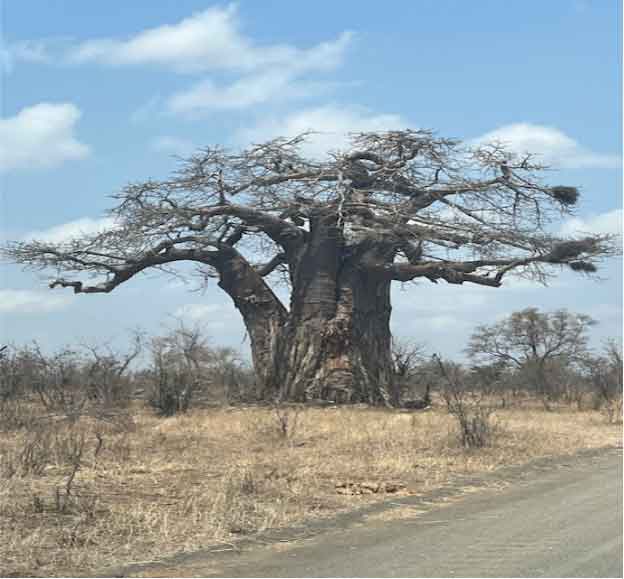
The Kruger has grown and continues to grow. Many of the Private Reserves adjacent to the Park have dropped fences and joined with the Greater Kruger, creating, on the South African side a Reserve that is over 2 million hectares. The Kruger has even extended into Mozambique by way of a Transfrontier Park. This growth has not been without its growing pains. On the South African side some of the joining Reserves believe that they do not receive adequate attention from the management authority (SANParks) to vital issues such as anti-poaching and on the Mozambican side, poaching also continues to be a divisive issue. However, some philanthropist investors have offered assistance in the form of resources to protect the Kruger, which is vital if the Kruger is to continue to grow and benefit surrounding communities.
Building Climate Resilience into Projects: New Draft National Climate Change Guidelines published for comments
Added 30 October 2025
Introduction
The Department of Forestry, Fisheries & the Environment (“DFFE”) has called for public comments on a revised set of draft guidelines potentially affecting environmental authorisation, waste management licence and atmospheric emissions licence applications. The draft National Guideline for consideration of Climate Change Implications in applications for Environmental Authorisations, Atmospheric Emission Licenses and Waste Management Licenses (“the Guideline”) were published in Government Gazette 53574 Notice number 6759, on 24 October 2025. Once finalised, the Guideline is expected to ensure that climate change and its implications are factored into development project planning from its earliest stages. The Guideline follows a previous draft version sharing the same title, that was published on 25 June 2021.
Purpose and Scope of the Draft National Guideline
The Guideline aims to ensure that environmental authorisation applications fully account for both the impacts of proposed projects on climate change (e.g. greenhouse gas emissions) and the impacts of climate change on proposed projects (e.g. vulnerability and resilience). The Guideline proposes creating a consistent approach for the incorporation of climate change considerations across environmental impact assessments (“EIA”), atmospheric emissions licenses and waste management licenses. The Guideline provide practical guidance on the nature, scope and minimum content of information to be included in applications so authorities can make informed decisions. It sets out when climate-change specialist input is needed and what that input should cover (both green-house-gas (“GHG”) emissions and vulnerability / adaptation). Role-players will now be provided with the minimum requirements for climate change assessments in these applications. The Guideline will also assist authorities in their determination of these applications.
Key principles and approach
The Guideline advise that climate considerations are integrated early in project planning and that the mitigation hierarchy (avoid → minimise → rehabilitate → offset) is applied alongside adaptation and resilience measures. An emphasis is also placed on treating climate change as an inseparable part of the environment (in the context of EIAs) and that all role-players consider both the emissions the project will generate (mitigation) and the project’s vulnerability to future climate change (adaptation). The Guideline places the National Environmental Management Act 107 of 1998 (“NEMA”) and the Environmental Impact Regulations, 2014 together with NEMA’s specific environmental management acts, the Climate Change Act 22 of 2024 and international obligations (such as the UNFCCC / Paris Agreement) as the framework within which assessments must be carried out. The Guideline also references national tools and reporting regimes including the National Greenhouse Gas Emission Reporting Regulations). Cont.The Guideline also includes practical tables and an appendix with a Climate Change Significance Rating Framework, a table on the role/timing of specialist input across the EIA process, impact severity rating guidance and example evaluation criteria to help practitioners make consistent and informed judgements.
Roles and Responsibilities of role-players
In the case of Environmental Assessment Practitioners (“EAP”) appointed for a particular development project, they must lead the screening/scoping process, identify if climate change is an issue, commission specialists where required, draft terms of reference for specialists, and incorporate specialist outputs into the basic assessment / scoping and environmental impact report / EIA reports. Appointed climate-change specialists should clarify their mandate set out by EAPs, conduct vulnerability/risk assessments, quantify GHGs where required, select methods, produce the specialist report and recommend mitigation/adaptation/monitoring measures. The applicant for a particular development project should allocate time and budget for specialists, provide project information, include contingency for additional specialist involvement, and implement environment management programme (“EMPr”) measures. Lastly, competent/licensing authorities (such as the DFFE) may require additionalspecialist assessments and must base decisions on sound scientific input.
When a climate-change specialist assessment is required
The Guideline sets out a staged screening approach to decide whether specialist input is needed (i.e., pre-application → screening/scoping → assess impacts → if unresolved, a specialist climate-change assessment is required). A specialist assessment will generally be required where the EAP determines significance after screening takes place, the proposed development is a listed activity in the National GHG Reporting Regulations and exceeds the reporting threshold or where the competent/licensing authority specifically requires it. The Guideline also provides for the minimum content a climate-change impact assessment must contain including, scope and purpose, description of the development and associated activities, methodology, findings/impacts, mitigation and adaption measures and clear justification for significance ratings and whether further specialist work is required. Recommendations from the climate assessment must be translated into EMPr impact management outcomes and measurable actions (including adaptation measures and monitoring). Competent authorities should ensure EMPrs contain obligations, monitoring and adaptive management measures that address both mitigation and resilience.
Practical implications
The Guideline makes clear that climate change is no longer an optional consideration but a required part of environmental decision-making and by embedding the mitigation-hierarchy, requiring early screening and quantification where relevant, and insisting that outcomes translate into practical EMPr measures and monitoring, the Guideline gives role-players a consistent, action-oriented framework to reduce project risk and help align development with South Africa’s broader climate commitments.
The Guideline, published on 24 October 2025, can be accessed via the following link: https://www.gov.za/documents/notices/national-environmental-management-act-national-guideline-consideration-climate
Any comments on the Guidelines must be submitted in writing by no later than 23 November 2025.
Disclaimer:
This newsletter does not aim to provide a summary of all legal developments in the environmental, mining and natural resources sectors. For professional legal advice on any particular issue, please contact us.
Section 53 of the MPRDA & Protected Areas
Added 28 August 2025
Introduction
In last week’s Gunn Byte, we mentioned how section 53(1) of the Mineral and Petroleum Resources Development Act (MPRDA) requires any person intending to use the surface of land in a manner that may potentially be contrary to the MPRDA’s objectives to first seek approval from the Minister of Mineral Resources and Energy (Minister of Mineral Resources). This week, we look at the applicability of section 53(1) to protected areas as defined in the National Environmental Management: Protected Areas Act 57 of 2003 (NEMPAA).
The Applicability of Section 53 to Protected Areas
Despite section 53(1) casting a wide net and finding broad application, it has been debated whether this section applies to the declaration of protected areas under NEMPAA. The requirement to apply for approval under section 53 applies to any “person”, which appears to exclude Ministers and MECs by virtue of the definition of “person” as contained in the Interpretation Act 33 of 1957 (Interpretation Act). Even if a competent court were to find that section 53 applies to a Minister or MEC, and in particular the Minister responsible for environmental management (Environment Minister), it has also been debated whether the declaration of an area as a protected area constitutes an “intention to use the surface area of any land” in a manner that may detrimentally affect the mining of mineral resources. Since the Environment Minister/MEC only considers all information provided to determine whether an area should be declared a protected area by way of issuing a notice in the relevant Government Gazette, it is clear that the Environment Minister/MEC does not intend to use the surface of such land, meaning that section 53 cannot apply in such instances. Even if a court were to find that the Environment Minister/MEC did intend to “use the surface area” of the land, there is an express statutory prohibition contained in section 48(1) of NEMPAA which essentially states that no person may conduct commercial prospecting or mining activities in a special nature reserve, nature reserve, or protected environment without written permission from the Environment Minister and the Minister of Mineral Resources. Sections 31 and 32 of NEMPAA require the Environment Minister/MEC to consult with all national organs of state when considering whether to declare an area a protected area. By necessity, the DMRE and the Minister of Mineral Resources would be affected and would be included in the consultation process. In addition, when authorities such as the Limpopo Department of Economic Development initiate the process to declare a protected area under NEMPAA, it is standard procedure to consult with the DMRE during the application phase. This consultation forms part of the broader duty to consult all relevant national organs of state impacted by the proposed declaration, in alignment with sections 31 and 32 of NEMPAA.
Then, in terms of section 47B of the National Environmental Management Act 107 of 1998 (NEMA), this requirement for consultation is “regarded as having been satisfied if a formal written notification of intention to act has been made to that person or organ of state and no response has been received within a reasonable time.”
It is clear that section 53 does not apply to decisions by the Environment Minister/MEC to declare a protected area, as it does not impose a duty on the competent authority to obtain approval from the Minister of Mineral Resources. If it did, this would be in conflict with the requirements of both NEMA and NEMPAA.
Conclusion
We therefore hold the view that the declaration of a protected area does not constitute a “use of the surface” as contemplated in section 53 of the MPRDA. Therefore, such an activity does not require the Minister of Mineral Resources’ prior written consent. This position will remain even if section 53 is amended as proposed in the Draft Mineral Resources Development Bill, 2025 (Bill). The Bill proposes to amend section 53(1) such that it reads ‘any person who intends to use the surface of any land in any way which may be contrary to any object of this Act or which is likely to impede any such object must obtain comments from the Minister in the prescribed manner.’ The implication is that the Minister of Mineral Resources’ role becomes advisory (rather than determinative), and does not change our view expressed above.
Disclaimer:
This newsletter does not aim to provide a summary of all legal developments in the environmental, mining and natural resources sectors. For professional legal advice on any particular issue, please contact us.
Gunn Bytes –
Namibia – OPEN FOR BUSINESS
Added 28 August 2025

Dear Readers
I was fortunate to attend a conference in Namibia last week called “Taking Stock”. The conference was aimed at informing potential investors and businesspeople about the state of the Namibian economy and investment opportunities. It was also to mark the opening of the Moore Infinity offices in Namibia.
The Namibian economy contains all the elements required to attract investors including a stable financial system, an independent judiciary, stable population, low crime rate and attractive climate.
Mining has been the sector most favoured by investors recently with gold and uranium leading the way in terms of export value. There have also been a number of new investments into the mining sector such as Koryx Copper who are seeking to develop the massive Haib Project on the Orange River and Andrada Mining, offering attractive investment opportunities for investors seeking exposure to critical minerals and energy transition metals such as tin, tantalum and lithium.
Another exciting development is the deep-sea offshore oil and gas exploration being undertaken by Total. The gas fields being explored are massive- to put it into perspective approximately the size of Windhoek and based on the drilling of a few holes (3 so far) a decision will be taken whether to invest in the multi-billion dollar project. The oil and gas reserves are located up to 6 kilometres under the ocean.
The Eco-tourism sector is booming and Gondwana Collection Namibia presented an impressive round-up of the expanding tourism offering.
Namibia’s well developed port infrastructure such as at Walvis Bay presents further opportunity on the maritime investment side as the world’s largest container shipping line, MSC has indicated that after acquiring a 25 year operating concession it will invest heavily in infrastructure at the Port, creating a trans-shipping hub.
Government has indicated it is fully supportive of such investment and transformation. With the appointment of the new President in March 2025, the right ingredients are in place and Namibia, the land of the brave, is poised for take-off.
South Africa’s Cycad Crisis: National Emergency Over “Living Fossils”
Added 28 August 2025
Introduction
South Africa is a sanctuary for one of the world’s most ancient and unique plant groups: cycads. This group of plants is so ancient that the dinosaurs once roamed among them.
Boasting 38 indigenous cycad species, South Africa is a global hotspot for cycad diversity.
Despite this, these living relics face an existential threat and widespread poaching has become the single greatest danger to their survival.
Scale of Cycad Poaching
Over 68% of cycad species in South Africa are threatened with extinction, while 31% are categorised as critically endangered. These figures surpass global averages and are indicative of the magnitude of the crisis. Unfortunately, relentless poaching? has already pushed at least three cycad species into extinction in the wild. For the surviving species, continued poaching now threatens the last remaining wild populations. In a somewhat ironic situation, cycads have been “loved to death” in many instances after becoming coveted trophies for collectors, particularly those in South Africa’s urban centers. This nationwide demand, compounded by international interest, has transformed cycad poaching into a highly organized and lucrative illicit market.
How Cycad Poaching Operates
Unlike some other forms of plant poaching, cycad theft is often highly professionalised and brutal. Poachers, often linked with criminal syndicates, extract entire mature cycads from the wild using crowbars. Eastern Cape wildlands and rural reserves are among the hardest hit, though poaching takes place throughout the country. The harvested plants are smuggled, sometimes over hundreds of kilometers, to buyers and corrupt nurseries (mainly in Gauteng) where they are either “laundered” for resale or sold clandestinely to high-paying collectors.
In South Africa, certain cycad species, such as the Encephalartos cycad have long been used in traditional medicine for their perceived healing properties, including treatments for ailments such as headaches, fevers, and spiritual imbalances. However, this cultural use has contributed to the further illegal harvesting and trade of wild cycads. The damage is not only ecological. Cycads are incredibly slow-growing, with some species living for up to a millennium. The illegal removal of mature individuals removes centuries of genetic history in a single night, undermining both ecological stability and cultural heritage.
Conservation Laws and Enforcement
South Africa has enforced strict prohibitions on harvesting, trading, or possessing wild cycads since the 1970s. A regulated, permitted market exists only for cultivated plants.
Despite these laws, enforcement remains a critical challenge as high prices and new demand continually fuel poaching and black-market trade. Although law enforcement has secured some convictions, the sheer scale and organization of illegal cycad trafficking routinely outpace traditional conservation and policing efforts.
All South African cycad species are listed under the Convention on International Trade in Endangered Species (CITES). CITES regulates the import, export and re-export of cycads using a permit system. Generally, international trade is only permitted if it is confirmed that exports will not harm the survival of the species, with both export and import permits required for legal cross-border trade. In addition, the National Environmental Management: Biodiversity Act, 10 of 2004 (NEM: Biodiversity Act) is the primary statute for biodiversity protection. Together with its associated Threatened or Protected Species (TOPS) Regulations, the NEM: Biodiversity Act tightly controls activities relating to listed cycads by requiring a permit for activities including possession, buying, selling, transporting and trading such species. Severe penalties, including imprisonment, apply to violations.
Efforts to Protect Cycads
The conservation community, the state and private reserves around South Africa are collaborating to stave off cycad extinction. Organisations like the Wild Cycad Conservancy secure and manage protected sites, establish assistance colonies, and preserve genetic material in seed banks to enable future reintroduce species become a reality. Anti-poaching patrols are also becoming more common, with conservationists working tirelessly to deter illegal harvesting and intercept poachers before catastrophic losses occur.
Recently, educational campaigns and workshops have been launched to raise public awareness, highlighting both the ecological and cultural value of cycads and the devastating consequences of their loss. Citizens are encouraged to report suspicious activities and support sustainable, legal cultivation practices.
Conclusion
Cycads are deeply intertwined with South Africa’s national heritage. These are irreplaceable survivors from the time of the dinosaurs that represent living archives of evolutionary history. The demand for medicinal purposes, combined with ornamental and collector interests, continues to place immense pressure on natural cycad populations, undermining conservation efforts and pushing some species closer to extinction. Without dramatically increased law enforcement, comprehensive public education, and international cooperation to suppress illicit demand, South Africa’s cycads may not survive the coming decade. The loss would be irreversible, erasing both an ancient lineage of plants and the stories, knowledge, and traditions embedded within them.
As the principal threat driving cycads toward extinction, organized poaching remains a national emergency for South Africa. Through unity, vigilance, and informed action by law enforcement, conservationists, policymakers, and the broader public, there is hope to reverse the decline, protect these living fossils, and secure South Africa’s place as a world leader in cycad conservation.
Disclaimer:
This newsletter does not aim to provide a summary of all legal developments in the environmental, mining and natural resources sectors. For professional legal advice on any particular issue, please contact us.

Image of the Lillie’s Cycad (E. dyerianus) which is critically endangered and endemic to the Selati Game Reserve.
Draft National Greenhouse Gas Carbon Budget and Mitigation Plan Regulations and Technical Guidelines published for comment
Added 28 August 2025
On 1 August 2025, the Minister of Forestry, Fisheries and the Environment (“the Minister”) published the draft National Greenhouse Gas Carbon Budget and Mitigation Plan Regulations (“the draft Regulations”) together with the Technical Guidelines for the Regulations, for public comment.
This followsthe official commencement of the long-awaited Climate Change Act 22 of 2024 (“the Climate Change Act”) on 17 March 2025.
The draft Regulations and accompanying Technical Guidelines, made under the Climate Change Act, set out the framework for the allocation, implementation, and enforcement of carbon budgets and associated mitigation plans for entities referred to as “data providers“, with high greenhouse gas (“GHG”) emissions. The draft Regulations aim to operationalise the Climate Change Act’s requirements for binding GHG limits (carbon budgets) and specific emissions reduction (mitigation) actions, replacing the previous voluntary or ‘softer’ regulatory regime with enforceable obligations for major emitters. The draft Regulations form part of South Africa’s broader transition towards a low-carbon, climate-resilient, and just economy. The Technical Guidelines aim to support the implementation of the draft Regulations by providing for inter alia the structure and methodology of the Carbon Budgeting and Mitigation Plan programme, internal review by the Competent Authority, responsibilities of data providers, budget allocation and progress reporting.
The draft Regulations and draft Technical Guidelines introduce binding carbon budgets and mitigation plan requirements for large GHG emitters (data providers) with emissions exceeding 30,000 tonnes of CO₂-equivalent per annum. From 1 January 2026, companies with average annual GHG emissions exceeding this threshold will be required to comply with strict, legally binding carbon budgets. These budgets apply over three consecutive five-year periods and are allocated at the company level but disaggregated per facility based on operational control. This mandatory approach underlines South Africa’s commitment to structured emissions reduction in key sectors. Targets are set for priority sectors such as mining, synthetic fuels, cement, steel, and electricity production. Regulated entities must register their facilities, provide emissions data, receive mandated carbon budgets, and implement approved mitigation plans for each five-year compliance period.
In addition to carbon budgets, impacted companies must develop and implement mitigation plans designed to ensure compliance with their allocated limits. The initial focus falls on Scope 1 (direct) emissions, while reporting of Scope 2 (electricity-related) and Scope 3 (value chain) emissions remains voluntary. Annual progress reporting is compulsory, with reports due by 31 March for the preceding year. Should a company exceed its allocated budget, it may face significant financial penalties, including adjustments to carbon tax rates imposed under the Carbon Tax Act 15 of 2019 (“the Carbon Tax Act”).
Non-compliance, including failure to register, report, or meet budget limits, can result in fines up to R5 million and/or five years’ imprisonment for a first offence, and up to R10 million or ten years for repeat offences. Entities exceeding their carbon budgets will also face higher carbon tax rates under the Carbon Tax Act, with strict annual reporting and third-party verification deemed mandatory.
All carbon budget allocations and mitigation plans are subject to rigorous, periodic independent validation and verification in accordance with the associated Technical Guidelines. The allocation system is supported by a New Entrants Reserve, with 5% of the aggregate industry budget set aside to accommodate new or expanding emitters, ensuring a flexible and equitable integration of additional participants based on sector benchmarks and transparent formulas.
Socio-economic considerations are also provided for as companies and data providers are encouraged to submit detailed information about the potential economic, employment, and community impacts of their climate compliance actions. These data submissions are intended to inform a “just transition” and help guide regulatory responsesthat balance environmental, economic, and social objectives.
Affected sectors are strongly advised to review the draft Regulations and draft Technical Guidelines, assess their organisational readiness for these new obligations, and consider submitting comments before the closing date. With mandatory carbon budgets pending from 2026, companies should prepare for strengthened and more stringent requirements regarding emissions monitoring, transparent reporting, and independent verification of climate actions. This milestone marks a pivotal step in South Africa’s binding transition to a climate-resilient, low-carbon future under the new national climate change framework.
Interested and affected parties have been invited by the Minister to submit written representations on the draft Regulations and draft Technical Guidelines within 60 days from the date of publication of the two noticesin the Government Gazette i.e. by 30 September 2025.
The draft Regulations and draft Technical Guidelines can be accessed via the following link: https://legalacademy.co.za/news/read/carbon-budgetting-emission-mitigation-planning-draft-regulations-out-for-comment
Gunn Bytes –
Environmental POLICY MUST ALIGN WITH NATIONAL ECONOMIC POLICY
Added 28 August 2025
Dear Readers
On 1 August 2025, the Minister of the DFFE published Draft Regulations under the Climate Change Act. We provided a summary of the Draft Regulations in our previous Gunn Bytes.
The Draft Regulations provide a complex framework for the enforcement of carbon budgets and mitigation plans with the ultimate aim to reduce GHG emissions.
This in isolation is laudable.
However, the question needs to be asked whether such law and policy supports other important Government policy? And are they driving the most important socio-economic issues in the right direction for South Africa?
South Africa’s most pressing socio-economic issue must be job creation. This can only be solved with economic growth and to a limited extent, by job creation programmes.
South Africa’s foreign policy has lead to a complex situation where we now face hugely detrimental trade tariffs. And yet the Draft Regulations are primarily aimed at compliance with International Treaties and appeasement of First World trading partners.So, the real question is, how do we marry environmental policy with positive socio-economic growth and policy?
It’s a thorny issue and requires analysis of economic and political issues, but to begin at grass roots:
– Government should give a clear indication to its major trading partners that it is open for business;
– There are enough laws, Commissions and Committees. Time for action.
– We need enforcement of existing laws, not new, more complex laws and policy.
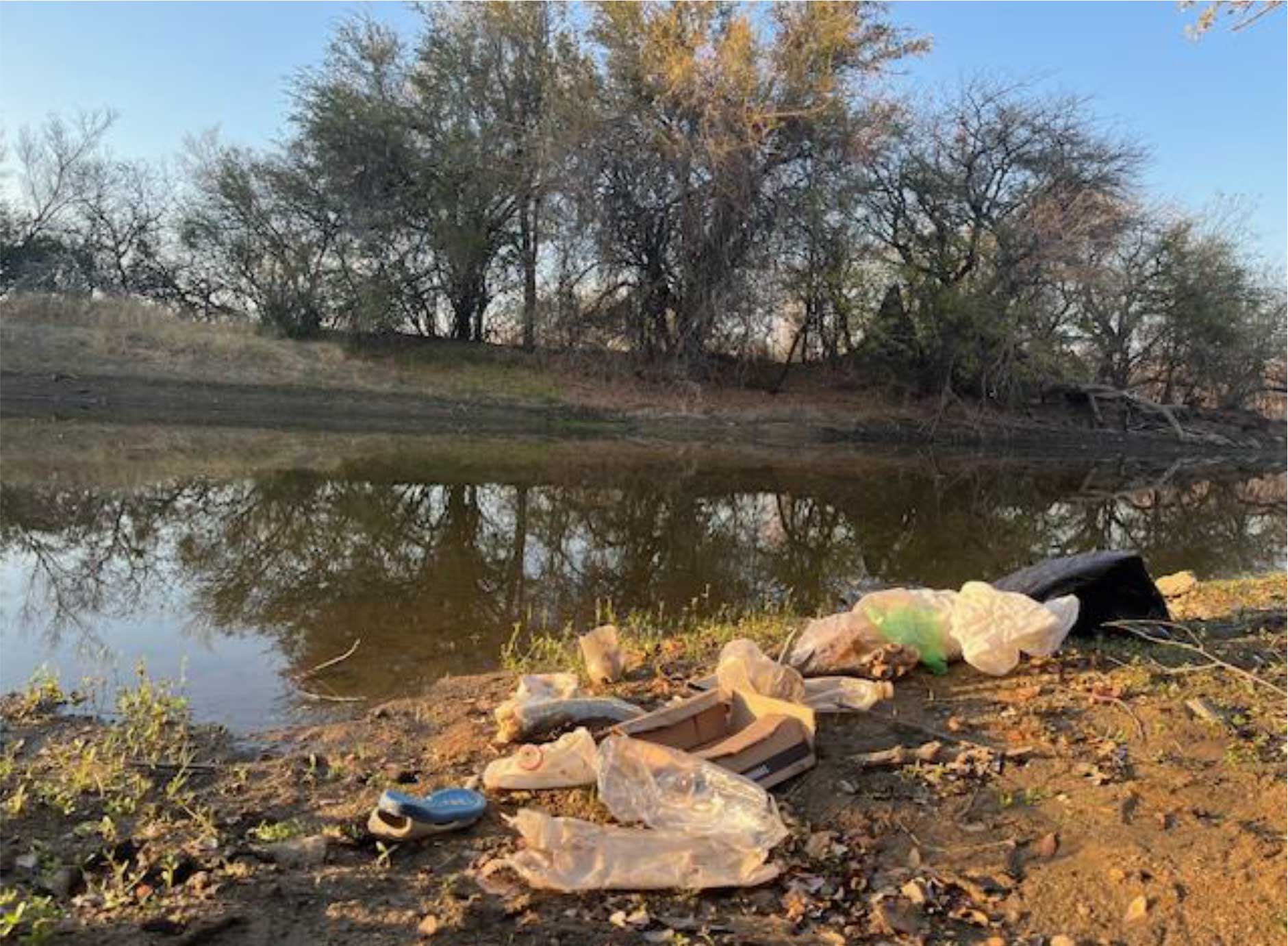
Gunn Bytes –
Protecting YOUR RIGHTS IN THE EIA PROCESS
Added 28 August 2025

Dear Readers
Clients often ask how they can protect their rights when they find themselves on the other side of an Environmental Impact Assessment (EIA). In other words when a development (say for instance a mine or other large industrial development) wants to enter your neighbourhood.
The EIA remains the primary planning tool in South Africa in terms of which an Environmental Authorisation gets issued subject to a successful EIA process (or mini-EIA called a Basic Assessment) when a Listed Activity is triggered in terms of the National Environmental Management Act (NEMA).
Here’s what you can do.
Make sure you understand the development. This is critical to understanding what the impacts might be. For example, an underground mine will have very different impacts from an open-cast mine. Certain industrial processes emit hazardous substances, others not. Investigate the impacts and determine for yourself what you believe the impacts to be. There are numerous sources of good quality information available through the Internet. Use them.
The specialists involved in the EIA may not have intimate knowledge of the area and may not understand the true impacts of the development. The EIA process must deal with all material biophysical and social impacts.
EIA’s have to stick to strict timelines. Know what these are and ensure that these are adhered
Make sure you get enough time to digest the information provided as part of the EIA. The information can be voluminous and complex. The minimum legislated time period that you must be provided with at each step of the EIA process is 30 days. This applies to any new, material information that is added to the EIA.
Lastly, don’t hesitate to reach out and get help. The EIA team will be well-resourced and it’s not easy to engage on your own. You may require specialist input to understand certain impacts such as water (a hydrogeologist could assist) or regarding climate change. Or even some legal advice from your friendly specialist environmental lawyer!
Gunn Bytes –
SADC MINING LAWS ALIGN
Added 28 August 2025
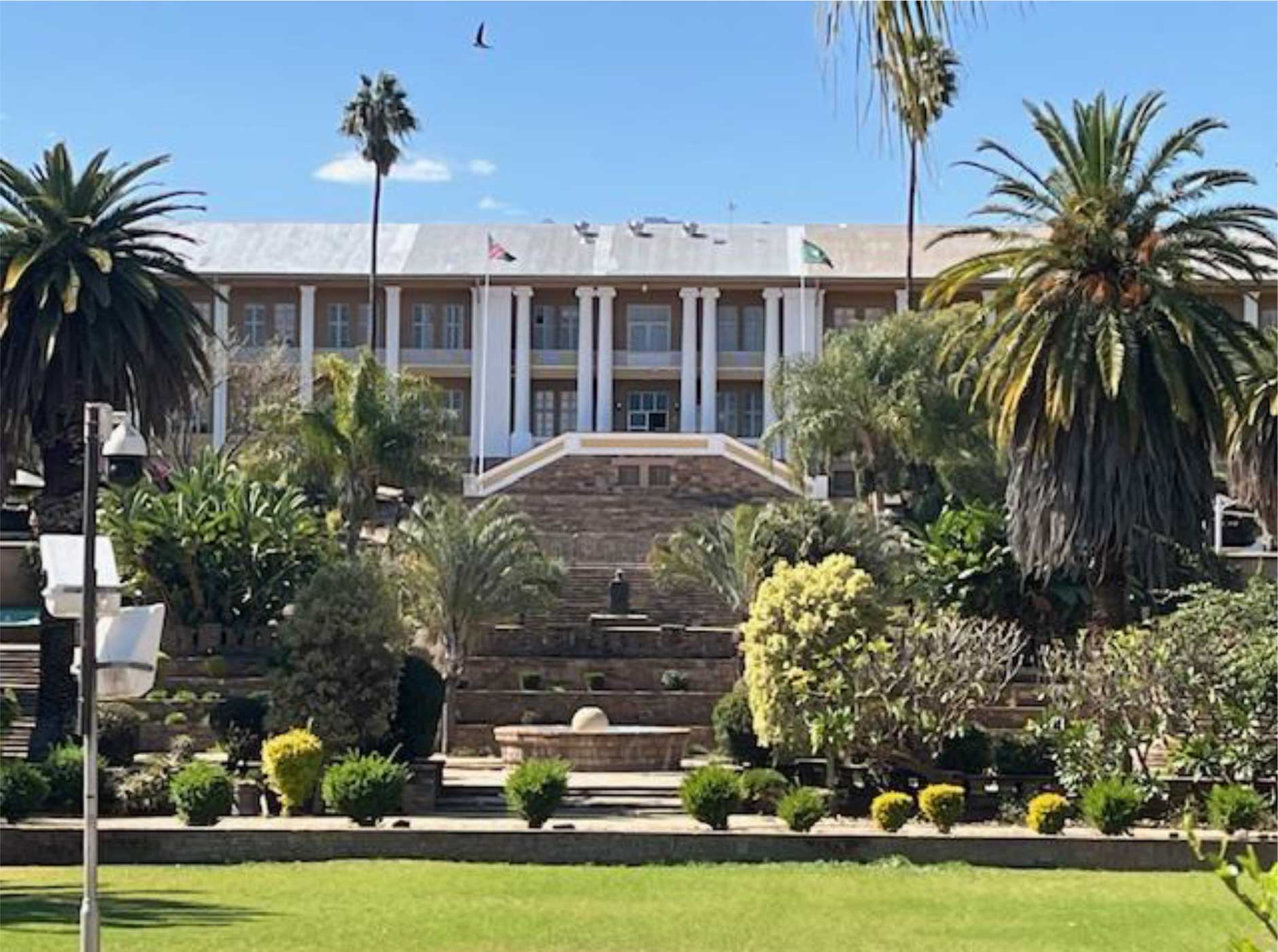
Dear Readers
Over the past few years we have had the opportunity to work in the SADC countries on a variety of interesting transactions. Many of these transactions are resourced-based which provides us with good exposure to the mining laws of the various countries.
It’s instructive to note that most of the SADC countries have a very similar framework of laws which apply.
The mineral rights in South Africa, Botswana, Zimbabwe and Namibia are all held by the State and as such a right to extract and beneficiate such minerals must be obtained from the State.
Interestingly, in the case of Zimbabwe, the Minerals Act grants this power to the President, as head of State.
In all of these countries, a similar process must be followed to obtain a mining right.
Application to the Department of Minerals in the prescribed form, together with the relevant environmental and specialist studies, proving financial and technical competence, backed with a financial guarantee for rehabilitation and controlled in accordance with the EMPr and
Mining Works Programme. There we go, in one sentence, the documentation for each mine normally fills a whole room!
These SADC countries are also aligned in terms of pushing for more State involvement and free carry. This is always a controversial issue and for many mining projects can force the mine to be un-economical. This thorny issue was skilfully handled by a CEO when fielding a recent question on free carry and thereby put on the spot as to what his company would do if the government and the mining company could not agree on the free carry, he said: “it’s a partnership, both parties must be happy and that is what we strive for, but if there’s no agreement, there’s no investment either”.
From a legal perspective all these countries are Constitutional democracies. That is, any law, especially one leaning towards expropriation of a right or interest in a right must be consistent with the Constitution. In this regard, I like to think of the Constitution as the “base law” – it sets the rules which other laws must follow. This is a big advantage when doing business in these SADC countries. It means the legal parameters are better quantified and an investor knows that laws must be consistent with the Constitution, which is also in line with international best practice.
Balancing Industry and Biodiversity: New Draft Regulations to Protect the African Penguin
Added 28 August 2025
Introduction
The African Penguin, one of South Africa’s most iconic and endangered seabirds, is facing a fight for survival. With population numbers declining at alarming rates, conservation efforts have become increasingly urgent. Earlier this year, a High Court victory resulted in securing biologically meaningful foraging areas for African Penguins for the next decade in order to help bring the species back from the brink of extinction. Against this backdrop, the Department of Forestry, Fisheries and the Environment recently published The Draft Regulations for the Environmental Management of Offshore Ship-to-Ship Transfer (“the Draft Regulations”) aimed at managing offshore ship-to-ship (“STS”) transfers, with a strong focus on safeguarding sensitive marine ecosystems.
Why Ship-to-Ship Transfers Matter
STS transfers, as defined in the Draft Regulations, refer to the transfer at sea of liquid bulk cargo, including chemicals, oil, petroleum products, liquified petroleum gas or liquified natural gas from one vessel to another outside an operational harbour area and includes bunkering. STS transfers are a cost-effective way of refueling, however, they carry significant environmental risks. Oil spills, even minor ones, can devastate marine life, disrupt ecosystems, and threaten breeding colonies of the African Penguins. These risks have prompted calls for a stronger legal framework to regulate such operations.
In March 2025, BirdLife South Africa (“BirdLife SA”) and the Southern African Foundation for the Conservation of Coastal Birds (“SANCCOB”) secured a historic victory for South Africa’s critically endangered African Penguin when the Pretoria High Court approved a landmark settlement (Birdlife South Africa and Another v Minister of Forestry, Fisheries and the Environment and Others (2024-029857) [2025] ZAGPPHC 264, 18 March 2025) to protect the critically endangered species whose population has dropped to fewer than 9,000 breeding pairs and could face extinction in the wild by 2035. The agreement, reached between the two conservation groups (BirdLife SA and SANCCOB), the fishing industry, and the government, establishes 10-year no-fishing zones around six key penguin breeding colonies, including Robben Island, Dassen Island, Stony Point, Dyer Island, Bird Island, and St Croix Island. These closures, which secure biologically meaningful foraging areas, will be written into fishing permits and reviewed after six years to measure effectiveness. The ruling represents a major conservation victory, balancing ecosystem protection with fishing interests, and gives the species a crucial chance to recover from its severe decline.
The Draft Regulations for the Environmental Management of Offshore Ship-to-Ship Transfer
On 4 July 2025, the Minister of Forestry, Fisheries and the Environment (“the Minister”) published the revised Draft Regulations for public comment. The Draft Regulations, developed under section 83(1) of the National Environmental Management: Integrated Coastal Management Act 24 of 2008, follow the first iteration published on 21 February 2025. Extensive consultations with stakeholders, including the South African Maritime Safety Authority, Transnet National Ports Authority, the Department of Transport, South African National Parks, and Members of the Executive Council, responsible for the environment in the four coastal provinces necessitated the need for this revised Draft.
The Draft Regulations establish a risk-based framework to mitigate and avoid the environmental impacts of offshore STF transfers on South Africa’s coastal and marine environments. Where avoidance is not feasible, the Draft Regulations aim to minimise and remedy impacts, particularly in sensitive areas such as Algoa Bay, home to the world’s largest African Penguin colonies. Since bunkering commenced in Algoa Bay in 2016, four oil spills have impacted 260 endangered African Penguins and other marine species. The draft regulations introduce robust measures, including mandatory environmental management plans, wildlife monitoring, and spill prevention protocols, to protect South Africa’s marine ecosystems.
Key amendments in the second iteration of the Draft Regulations include renaming the Draft Regulations from “bunkering” to “ship-to-ship transfer” to clarify the scope of activities covered, replacing sonobuoys with hydrophones for wildlife monitoring to reduce noise impacts on marine life and mandating that STS environmental management plans be developed by independent specialists and approved by the Minister within 90 days.
Conclusion
South Africa’s Draft Regulations for the Environmental Management of Offshore Ship-to-Ship Transfer signal a critical step towards aligning maritime commerce with environmental stewardship. By embedding biodiversity considerations into operational law, regulators are helping to ensure that economic development at sea does not come at the cost of one of South Africa’s most treasured and endangered species. By requiring industry to integrate biodiversity safeguards into operations from the outset, the Draft Regulations move the law from simply managing damage after it occursto preventing it in the first place.
The latest Draft Regulations, published on 4 July 2025, can be accessed via the following link:
https://www.gov.za/documents/notices/national-environmental-management-integrated-coastal-management-draft-regulations
Birdlife South Africa and Another v Minister of Forestry, Fisheries and the Environment and Others (2024-029857) [2025] ZAGPPHC 264 (18 March 2025) can be accessed via the following link:
https://lawlibrary.org.za/akn/za-gp/judgment/zagpphc/2025/264/eng@2025-03-18
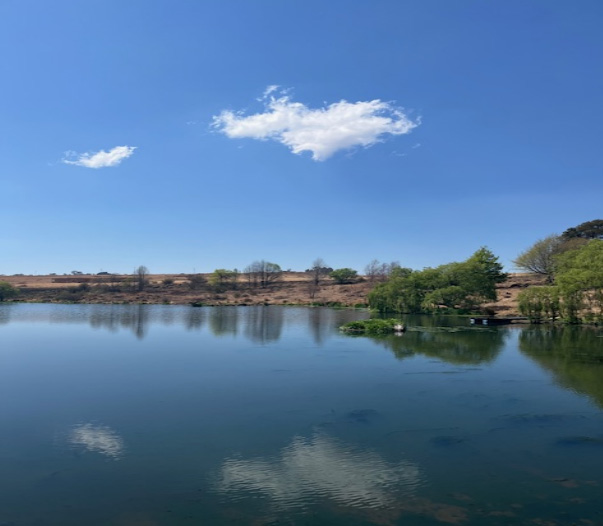
Gunn Bytes –
Regulating RIVERS
Added 25 July 2025
Dear Readers
It is common cause that South Africa’s rivers (and water resources) are in a very poor state. Reports of highly polluted rivers are a daily occurrence.
So what is the solution?
There are many NGO’s and private institutions doing their best to assist with the guardianship of our rivers. We have previously written about Water for the Future, a NGO involved in the clean-up of the source of the Limpopo River (the Braamfontein Spruit) in Urban Johannesburg. There are other similar organizations doing clean-up work and volunteers often partake in community clean-ups of polluted rivers. There are also several ongoing legal battles involving the state of our rivers such as in Komatipoort and the Vaal River.
However, for an overall sustainable solution to implemented, the State, through the Department of Water and Sanitation (DWS) must play its part. The DWS is the custodian of all freshwater resources in South Africa and through the National Water Act, it has a legal obligation to ensure that our freshwater resources are properly managed. While the DWS plays a licensing and oversight role, regulating all water use in the country, it is also obligated to ensure that the current abuse of our rivers and water resources does not continue. DWS could begin to discharge these obligations, by, amongst things:
- ensuring that waste water treatment works (WWTW’s) are functional and that the discharge complies with the WWTW’s licensing standards;
- working with municipalities to solve local water problems; and
- partnering with NGO’s and communities to clean up rivers.
The complex plans conceptualized under the National Water Act have not yielded positive results and DWS financial health is under stress. DWS needs strong and committed leadership to turn South Africa’s river health around. The journey could start with small steps and a practical action plan that would achieve local impact amongst communities.
Mines and Legacy Contamination
Added 25 July 2025
Introduction
Derelict mines and inadequate pollution control in South Africa’s mining sector present significant environmental, public health, and socio-economic challenges. The legacy of unrehabilitated mines poses threats ranging from toxic pollution to physical hazards, affecting nearby communities and ecosystems. This article explores the scale and impact of derelict mines, the regulatory framework, enforcement challenges, and potential solutions.
Scale and Impact of Derelict Mines
There are around 6000 abandoned mines in South Africa, with over 2300 classified as high-risk sites. These mines pose severe threats to both public health and the environment. Key issues include acid mine drainage (which occurs when sulfide minerals are exposed to air and water during mining, creating acidic water that leaches heavy metals), toxic residues (such as unlined tailings piles) and physical dangers (such as open shafts and sinkholes).
Inadequate Pollution Control in the Mining Sector
Despite stringent legal requirements in the Mineral and Petroleum Resources Development Act 28 of 2002 (“MPRDA”), enforcement of environmental rehabilitation remains weak. One key issue is that mining companies often fail to set aside sufficient funds for closure and rehabilitation (known as financial provision), or they miscalculate these costs, leading to numerous mines being abandoned without the required remediation being performed. Another key issue lies with the Department of Mineral Resources and Energy (“DMRE”), which has conflicting mandates of promoting mining development and ensuring environmental compliance, leading to insufficient monitoring and enforcement. For example, recent information indicates that only five compliance officers are assigned to oversee the more than 1000 operating mines in Mpumalanga, clearly highlighting the resource constraints.
Challenges with Enforcement
Several systemic challenges hinder efforts to enforce compliance and address the legacy of derelict mines. These include resource and capacity constraints, with regulatory agencies like the DMRE and Department of Water and Sanitation (“DWS”) lacking adequate manpower and funding, leading to minimal enforcement action being taken.
Thus, despite widespread violations, limited resources result in insufficient monitoring and enforcement of environmental regulations. Another challenge is the existence of legal loopholes and corporate avoidance, with companies often evading responsibility by declaring bankruptcy or selling mines to financially weaker entities, shifting the burden of rehabilitation to the government and taxpayers. This practice is often seen under Black Economic Empowerment initiatives, where mines are sold to entities lacking the financial capacity for rehabilitation. Further difficulties present themselves when fragmented environmental governance caused by overlapping jurisdictions and poor coordination between departments (such as the DMRE and DWS) weakens enforcement efforts and leads to inefficiencies in enforcement actions and practices. This is exacerbated by an overall lack of transparency, with poor public access to compliance data and the exclusion of communities from decision-making processes worsening the already-evident lack of accountability. For example, communities affected by mining pollution often lack the information and means to hold companies or the government accountable.
The environmental degradation caused by mining has severe social consequences.
Nearby communities face health risks, housing insecurity, and economic hardship. Illegal miners, or zama zamas, work under dangerous conditions in abandoned shafts, risking exposure to toxic gases and violent confrontations.
Solutions and the Way Forward
Addressing this crisis requires a multi-faceted approach. Regulatory bodies must be adequately staffed and funded to monitor and enforce compliance effectively. For example, the state could establish a dedicated environmental authority outside the DMRE, which could help mitigate conflicts of interest. Community involvement and transparency are also key. Improving access to environmental data and engaging communities in decision-making are critical for ensuring accountability and fairness in resource development. To this end, communities should be involved in monitoring and reporting environmental impacts, ensuring transparency and accountability.
Insofar as financial provisioning is concerned, stricter financial provisions (such as escrow accounts or insurance-backed guarantees) should be implemented to ensure funds are available for mine closure and rehabilitation. This will assist in ensuring that mining companies set aside sufficient funds for rehabilitation before operations commence can prevent the number of abandoned sites from rising. The state should also finalise and implement mine closure and rehabilitation strategies, prioritising high-risk sites and leveraging international support or expertise. A national strategy that includes clear timelines, funding mechanisms, and international collaboration can address the legacy of derelict mines effectively.
Sustainable mine closure remains one of the most critical environmental and social imperatives facing South Africa’s mining industry. Among the various closure strategies, the use of pit lakes – if properly assessed and managed – offers a viable and cost-effective alternative to traditional backfilling. Designed as terminal sinks with no surface discharge, pit lakes can support post-mining ecosystems and serve broader socio-economic functions when integrated with community needs and water reuse strategies. Pit lakes have successfully been used in mine closure in the Waterberg coal field, where studies have shown that many of the pit lakes in the area have a stable water balance. These are good examples of how pit lakes can be managed after mine closure. The successful use of pit lakes shows that a well-designed closure plan (grounded in environmental science, supported by regulatory compliance, and mindful of long-term land use) can turn legacy challenges into future opportunities.
Thus, with mining still central to South Africa’s economy, balancing the sector’s economic benefits with its environmental and social costs is imperative. Immediate action is required to address the legacy of pollution, improve regulatory frameworks, and protect the rights and well-being of affected communities.
Disclaimer:
This newsletter does not aim to provide a summary of all legal developments in the environmental, mining and natural resources sectors. For professional legal advice on any particular issue, please contact us.
Gunn Bytes –
Carbon Capture
Added 25 July 2025
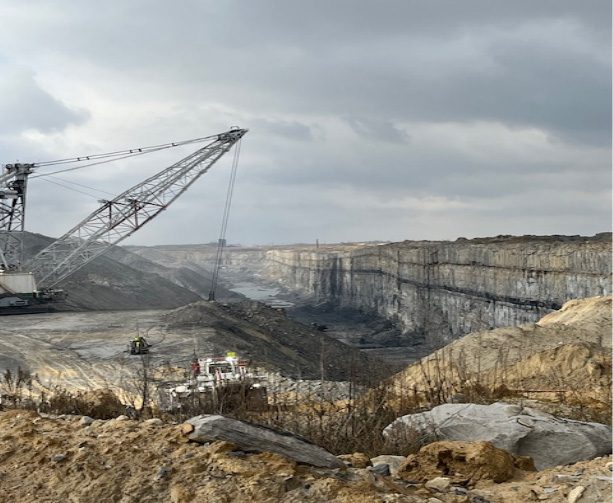
Dear Readers
With the ground-breaking judgment delivered on 4 December 2024 in the North Gauteng High Court (the Cancel Coal Case) and the momentum building for the Just Transition, one must consider what the options are for those industries that are carbon intensive.
The Council for Geoscience (CGS) continues to innovate and to assist industry with potential solutions. In September 2024 the CGS unveiled the country’s first pilot Carbon Capture, Utilisation, and Storage (CCUS) research site in Leandra, Mpumalanga. This landmark development follows the successful completion of a geological characterisation study, including the drilling of a 1 800 metre stratigraphic borehole at the Goedehoop site, confirming its suitability for safe and permanent CO₂ storage. This site represents a crucial step towards deploying CCUS technology as a viable solution to mitigate CO₂ emissions.
CGS called for the private sector to support this initiative and certain mining companies have offered such support and signed MOU’s to support a range of GHG emission technologies, including CCUS.
Although CCUS is a concept that has been around for decades, is it a proven technology? It is still at a conceptual stage in South Africa, but there are some sites globally that are operational, such as in Iceland, Australia and Texas USA. However, these sites are different from the South African sites, in that they involve the injection of CO₂ into depleted oil and gas reservoirs. In South Africa, the concept would be different. CO₂ would be injected into stable geological formations and in some instances, depending on the properties of the sub-strata, a chemical reaction may occur to lock the CO₂ underground.
South Africa still has a way to go to prove the concept, but hats off to the CGS for driving innovation and for its contribution to CCUS innovation.
South Africa’s Carbon Tax Increased
Added 25 July 2025
Briefly put, Carbon tax is an environmental tax on the carbon dioxide equivalent of greenhouse gas emissions and gives effect to the ‘polluter-pays-principle’ which ensures that the polluter is held accountable for damage caused by greenhouse gas emissions and the costs imposed on third parties. A carbon taxpayer is a person who undertakes a carbon taxable activity listed in Schedule 2 of the Carbon Tax Act 15 of 2019 (“Carbon Tax Act”). The tax levied is based on the carbon content of the amount of greenhouse gases emitted (i.e. emissions from the burning of fossil fuels like coal, oil and natural gas) above a certain threshold. The tax is applied for each tonne of CO2 -equivalent emissions (‘’t/CO2e’’) that is produced. The South African Revenue Service is responsible for administering and collecting carbon tax and is governed primarily by the Carbon Tax Act, read together with the Customs and Excise Act 91 of 1964.
Effective from 1 January 2025, the carbon tax rate has increased from R190 per t/CO2e to R236 per t/CO2e. This rate is planned to increase gradually over time with the aim of steadily encouraging emission reductions. Earlier this year, Johannesburg Stock Exchange (“JSE”) launched the JSE Ventures Voluntary Carbon Market, marking South Africa’s first trades of carbon credits eligible for use against SA’s carbon tax. The JSE transacted 10,000 t/CO2e of eligible carbon credits at $8.25 per t/CO2e. Additionally, to bolster SA’s climate change mitigation efforts, the carbon fuel levy will increase by 3c/litre to 14c/litre and 17c/litre for petrol and diesel, respectively, applicable from April 2 2025.
Carbon tax came into effect in South Africa on 1 June 2019 and has since been introduced in several phases to allow entities the time to make the necessary structural adjustments to their production processes and overall practices. Phase 1 of the carbon tax has been ongoing since the initial date of effect on 1 June 2019 and is set to run up until 31 December 2025. Phase 2 is proposed to come into effect from 1 January 2026 and is expected to run until 31 December 2030.
On 13 November 2024, National Treasury published a discussion paper on Phase 2 of the carbon tax. This paper proposes several measures to
reduce tax-free allowances and strengthen the effective carbon tax rate to encourage behaviour change. Amongst others, it is proposed that the basic tax-free allowance be reduced by 10 percentage points in 2026 and then by a further 2.5 percentage point reduction per year from 2027 to As a means to stimulate carbon market activities under the carbon tax, an increase of the carbon offset allowance by 5 percentage points from 1 January 2026 is proposed. Another key proposal includes extending the section 12L energy efficiency tax incentive and the commitment to electricity price neutrality until 31 December 2030.
Disclaimer:
This newsletter does not aim to provide a summary of all legal developments in the environmental, mining and natural resources sectors. For professional legal advice on any particular issue, please contact us.
Gunn Bytes –
Conservation Models
Added 25 July 2025
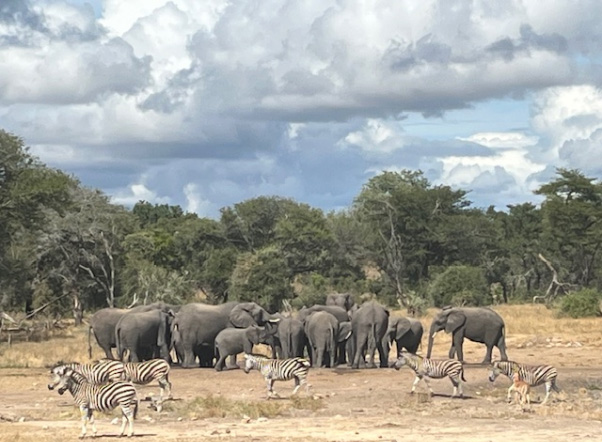
Dear Readers
We are often called on to advise clients on the best conservation model for a new investment.
Conservation can be an extremely wide concept, but we may take it to mean, in this sense, the investment into land and biodiversity with some philanthropic goal in mind regarding conservation of fauna and flora.
The most extreme (and onerous) model is the purchase of a large game farm. In any of the SADC countries, this comes with risks and restrictions relating to ownership of large farms, especially if the investor is a foreign national. While South Africa does not have restrictions on foreign land ownership, there is the lurking issue of expropriation without compensation. Namibia is going through a transitional phase for foreign land ownership with the new Land Bill currently being debated by Parliament. Botswana also has restrictions on foreign land ownership specifically relating to the area that is targeted.
In addition, large farms are expensive to operate and very few non-commercial large farms break even.
Ownership of a farm comes with many other responsibilities relating to legal compliance such as labour, land management, anti-poaching, security, water, neighbours etc etc
So with these risks and complexities in mind, what are the other alternatives?
There are variety of other models available such as:
- sectional title;
- freehold ownership, but within an existing shared conservancy;
- fractional ownership; and
- share ownership in an existing farm or commercial lodge.
Or, if one decouples the investment into land, then the support of one of the NGO’s that does conservation work could also be considered.
All that being said, there is still nothing as rewarding as owning and managing your own conservation haven. However, the investor needs to enter into the deal with eyes wide open, being properly informed of all the issues after doing a thorough due diligence investigation.
The Importance of Environmental Assessment Practitioners (EAPs) in South Africa’s Environmental Compliance
Added 25 July 2025
Introduction
Environmental Assessment Practitioners (EAPs) play a crucial role in ensuring that development projects are compliant with South Africa’s various environmental laws and regulations. In a regulatory landscape defined by the National Environmental Management Act 107 of 1998 (NEMA) and its associated regulations, EAPs act as key navigators for developers, guiding projects through complex environmental impact assessment (EIA) processes.
NEMA and the regulations made thereunder mandate the involvement of EAPs in various stages of project development to ensure environmental sustainability and compliance. On certain projects Gunn Attorneys may work closely with the EAP, providing legal advice to the EAP to ensure that the project meets all regulatory requirements and mitigate environmental risks.
Summary of EAP Involvement
EAPs are instrumental in conducting EIAs, which are required for any activity that may have a significant impact on the environment- and in this role they have to be objective and independent. EAPS play an important role in compiling environmental management plans and programs, which outline the measures to be taken during the construction phase to manage and mitigate environmental impacts. They may also fulfil the role of Environmental Compliance Officer (ECO) for a project, thereby auditing compliance for the project. EAPs ensure that projects comply with NEMA and other relevant environmental laws, such as the National Water Act 36 of 1998 and the Spatial Planning and Land Use Management Act 16 of 2013. EAPs also facilitate stakeholder engagement and public participation, which are critical components of the EIA process.
Practical Consequences of Inadequate EAP Involvements
The importance of involving competent EAPs early in a project cannot be overstated. A well-known example highlighting the risks inadequate EIA assessment is the Thabametsi Power Project in Limpopo. Approved in 2015, the Thabametsi coal-fired power plant was intended to meet growing energy demands. However, the EIA initially submitted for the project was found to be inadequate in its consideration of climate change impacts, which proved to be a critical oversight. Civil society groups and NGOs challenged the approval, arguing that the assessment failed to adequately address how climate change would affect the project and how the project itself would contribute to climate change.
The court ultimately set aside the environmental authorisation, ordering that a comprehensive climate change impact assessment be conducted. This setback delayed the project significantly and eventually contributed to its cancellation in 2020. The importance of thorough and competent EIA processes led by qualified EAPs who understand the full scope of regulatory requirements, including evolving issues like climate resilience, is evident from this example.
Implications for Developers
Engaging EAPs early in the project lifecycle is essential to ensure compliance with environmental regulations and to avoid costly delays and legal challenges. EAPs, in conjunction with legal subject matter experts like Gunn Attorneys, can provide valuable insights into sustainable practices and help mitigate environmental risks, ensuring that all legal requirements are met and that the project remains compliant throughout its lifecycle.
Clients are encouraged to review their current environmental compliance practices and consider engaging EAPs for upcoming projects. Beyond legal compliance, early EAP involvement helps identify environmental risks and community concerns that may not be obvious at the planning stage. This proactive approach can prevent project delays, reduce conflict with stakeholders, and ensure smoother approvals. Working with a law firm like Gunn Attorneys can provide additional legal support and guidance to ensure that all regulatory requirements are met.
Conclusion
Engaging EAPs is not simply a box-ticking exercise. Instead, it is a strategic investment in the long-term success and sustainability of any devel the backing of skilled EAPs and legal advisors, developers can confidently pursue their goals while remaining compliant with the law and being environmentally responsible.
Disclaimer:
This newsletter does not aim to provide a summary of all legal developments in the environmental, mining and natural resources sectors. For professional legal advice on any particular issue, please contact us.
Gunn Bytes –
Vulture POISONING – THE ROLE OF LAW
Added 25 July 2025

Dear Readers
The recent horrific, mass poisoning of vultures in the Kruger National Park provides learnings.
Firstly, it reinforces the fact that those committing such crimes have no regard for wildlife and will go to any length to get what they want. They must be brought to book.
Secondly, the amazing work being done by the rangers, conservation officers, NGO’s and emergency response team in their swift response. And to the rehabilitation specialists who together with the response team relocated the majority of the poisoned vultures to rehabilitation centres near Hoedspruit and are nursing the vultures back to good health so that they can be released. The good news is that at this stage is seems the majority of the vultures will survive. We salute you. Thank you.
Thirdly, it again highlights the indiscriminate use of poison that is available and is being used in the agricultural sector such as carbofuran, mepronil. The law can play a positive role in this regard by stronger regulation of agricultural poisons and by stringent enforcement of wildlife crimes. These highly hazardous pesticides (hhp’s) are banned, strictly regulated or are being phased out in jurisdictions such as the European Union (EU) but are still available in most African countries.
Tighter regulation of hhp’s together with community engagement and education can play a positive role in reducing these incidents. The future of our magnificent vultures is at stake.
Draft Mineral Resources and Development Bill published for comment
Added 25 July 2025
On 20 May 2025, the Minister of Mineral and Petroleum Resources (“the Minister”) published the Draft Mineral Resources Bill, 2025 (“the Draft Bill”) for public comment. The Draft Bill proposes significant amendments to the Mineral and Petroleum Resources Development Act 28 of 2002 (“MPRDA”). The proposed amendments are extensive and aim to establish a more effective regulatory system for South Africa’s mineral sector.
The Draft Bill follows the 2018 withdrawal of the Mineral and Petroleum Resources Development Amendment Bill, 2013. Various new definitions and concepts have been added, including:
- artisanal mining – the Minister would be empowered to identify and designate certain areas and invite applications for black persons for small-scale and artisanal mining permits. Regulating these artisanal and small-scale operations enhances the regulator’s ability to apply and enforceoccupational health and safety standards within artisanal mining operations. These operations will then fall within the scope and ambit of the Mine Health and Safety Act 29 of 1996 enforced by the Mine Health and Safety Inspectorate. The Draft Bill is part of a broader strategy to modernise South Africa’s mining sector, including the Critical Minerals and Metals Strategy, launched by the Minister on 20 May 2025. This strategy explicitly includes artisanal and small-scale mining as a pillar of inclusive economic development. The Draft Bill includes a targeted Black economic empowerment mechanism which empowers the Minister, after consultation with the Council for Geoscience, to designate certain areas for small-scale and artisanal mining to Black people, and to invite applicationsfor small-scale and artisanal mining.
- associated mineral – which is any mineral found in mineralogical association with another primary mineral and which allows rights holders to prospect or mine for associated minerals and dispose of them, provided they declare this to the Department of Mineral and Petroleum Resources and subsequently apply to include such minerals in the existing rights.
- historic residue stockpiles – give owners two years to either include the dump/stockpile in its mine works programme (in circumstances where such material is situated within an existing mining area) or apply for a right provided as the material is situated outside an existing mining area. Failure to apply for a right will result in the dump/stockpile reverting to the state.
- effective date – rights are made effective from when the right is granted rather than when executed. Previously, rights were notarially executed well after being granted, resulting in right holders retaining their rights for longer periods than initially intended and creating uncertainty regarding renewal application deadlines.
• community and landowner – recognises both registered landowners as well as rights in land which are unregistered and in respect of which persons or communities enjoy protection under any law. When granting mining rights, the Minister must impose standards for housing and living conditions for the minerals industry and apply the Broad-Based Black Economic Empowerment Act 53 of 2003 regarding ownership, inclusive procurement, supplier and enterprise development, human resource development, employment equity and mining community development. The Draft Bill also introduces requirements for meaningful community consultation regarding social and labour plans before rights can be granted. This expands beyond the requirement to consult with landowners and lawful occupiers.
In an effort to clarify the current misalignment between the MPRDA and National Environmental Management Act 107 of 1998 (“NEMA”), the Draft Bill provides that environmental authorisation applications for rights and permits must only be applied for once the MPRDA right or permit application has been accepted. Environmental management plans or environmental management programmes approved in terms of the MPRDA before the National Environmental Management Amendment Act, 2014, will be deemed approved with an environmental authorisation under NEMA. Streamlining of the appeals process now directs all MPRDA-related appeals to the Minister regardless of who made the initial decision, while environmental appeals are expected to be submitted to the Minister of Water and Sanitation and Minister of Forestry, Fisheries and the Environment. The environmental appeal route creates confusion as it overlaps with existing NEMA provisions for environmental authorisation decisions.
Provisions have also been added for the establishment of a Ministerial Advisory Council to advise the Minister on sustainable resource development, transformation growth, beneficiation terms and conditions and other ministerial referrals. A Regional Mining Development Environmental committee will also be formed for the purpose of adjudicating objections and making recommendationsto the Minister.
Some efforts have been made to address illegal mining under the MPRDA. The Draft Bill proposes prohibitions on assisting or providing services to illegal miners and the transportation of any minerals without prescribed documentation. In regard to enforcement of infringements of the MPRDA, the Minister is empowered, in concurrence with the Minister of Police and by written notice to a member of the South African Police Service, to assign all the powers contemplated in section 92 (Routine inspections) and section 93 (Orders, suspensions and instructions) of the MPRDA.
Interested and affected parties have been invited by the Minister to submit written representations on the Draft Bill by 13 August 2025.
The Draft Bill can be accessed via the following link: https://www.gov.za/documents/draft-bills/mineral-resources-development-bill-draft-20-may-2025
Disclaimer:
This newsletter does not aim to provide a summary of all legal developments in the environmental, mining and natural resources sectors. For professional legal advice on any particular issue, please contact us.
Gunn Bytes –
IMpacts OF ILLEGAL MINING
Added 25 July 2025
Dear Readers
The impacts of illegal mining have been well-documented in the media in the recent past.
The negative impacts are myriad including increased crime, severe health and safety risks to workers (including deaths), loss of income to the fiscus and general destabilization of the social fabric of the community. In a South African context, the negative environmental impacts are less obvious as the illegal mining most often takes place in a brown-fields environment ie: in large legacy mines where the environment is already severely compromised.
However, the impact is more obvious when illegal mining destroys pristine areas. For example, the illegal mining which is taking place in the upper reaches of the Blyde River. The activity is totally unregulated- there is no water use licence or environmental management programme, thus the illegal miners mine into the river banks and use highly toxic substances (such as cyanide and sulphuric acid for heap leaching) which is simply allowed to drain into the Blyde River. The toxin load together with increased sedimentation will destroy the pristine river quite quickly.
The authorities and the police need to act to stop these activities before it’s too late.
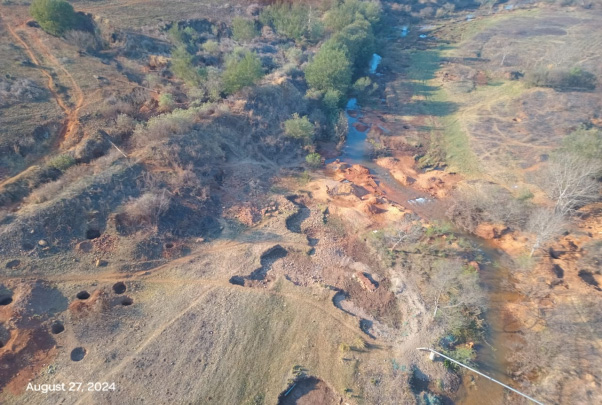
Gunn Bytes –
DID THE COURT ERR IN NOT PROTECTING WAKKERSTROOM?
Added 25 July 2025
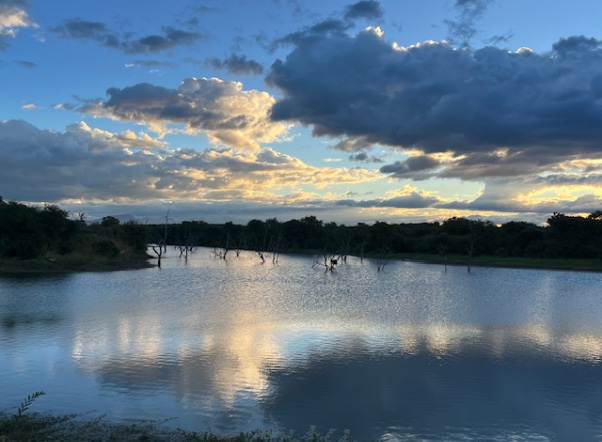
Dear Readers
The recent case of Endangered Wildlife Trust and Another v Director-General (Acting) Department of Water and Sanitation and Another (1165/2023) [2025] ZASCA holds important lessons for those wishing to challenge high-impact mining operations and one wonders whether the correct outcome was achieved at the end of the day.
The appellants (the NGO’s) appealed a decision of the High Court (concerning a decision by the Water Tribunal) regarding the granting of a Water Use Licence to a large-scale coal mine adjacent to the Wakkerstroom wetlands and protected area.
The NGO’s alleged large scale water impacts and inter alia the failure to adequately consider and authorize water decant and post-mining water impacts.
The appeal decision focusses on procedural issues arising from the High Court decision. There is no real reference to the core issue- the impact of the mining on water resources and biodiversity. The appeal court merely accepts that the issues have been adequately dealt with by the specialists and that the Tribunal is empowered to consider these issues, therefore the Tribunal decision must be correct. There appears only a brief discussion of the post-closure impacts of water decant where again the court accepts the mining company’s specialists’ contentions and rejects the arguments of the appellants.
This seems bizarre considering that the coal mining would be taking place on the edge of one of South Africa’s most important wetlands and the fact that Wakkerstroom is a National Freshwater Priority Area (NFEPA) and a declared protected area under the NEM: Protected Areas Act. The court also concludes that coal mining is an important activity contributing to sustainable development. No importance is attached to the value of the wetlands as a source of biodiversity or as a freshwater sponge. The lungs of South Africa.
A classic case of the tragedy of the commons.
Gunn Bytes –
Biospheres NEED ACTIVE COMMUNITY SUPPORT
Added 25 July 2025
Dear Readers
South Africa is blessed with no fewer than 10 UNESCO Biosphere Reserves covering several critical biodiversity areas such as the Cape Winelands, the Waterberg, the West Coast, Marico, Vhembe, the Garden Route, Kruger Park to Blyde River Canyons (K2C) and several others.
Recognized under the Man and Biosphere Programme of the United Nations Educational, Scientific and Cultural Organisation (UNESCO) they carry international significance and can play an important role in the sustainable development of a region for the benefit of the community.
However, as the biosphere does not usually include holistic formal protection or a structured development plan, it is up to the community to ensure that development takes place in a manner that is both desirable and beneficial to its inhabitants.
In this regard, there are several exciting initiatives taking place amongst the biospheres. For example, the Magaliesberg Biosphere recently launched its Guardians Project which aims to attract medium term sponsors. Also in the Magalies, the TUT is partnering with local traditional healers to walk the length of the biosphere to document sacred cultural sites. In the Waterberg, the Biosphere continues to provide resources to guide sustainable development and “citizen science” through platforms such as iNaturalist where community members can contribute valuable data through a user-friendly App. The K2C is currently running eleven projects with partners across the region linking sustainable development and biodiversity conservation.
Living proof that with the right partnerships, sustainable biosphere development possibilities are endless.

Mineral Resources Development Bill and Section 53 of the MPRDA
Added 25 July 2025
Overview
Section 53 of the Mineral and Petroleum Resources Development Act (MPRDA) establishes an important regulatory mechanism for land use compatibility within the nation’s mineral development objectives. However, it has also historically caused significant delays in surface developments on land, including renewable energy projects and urban development projects. Section 53(1) mandates that any person intending to use the surface of land in a manner that may potentially be contrary to the MPRDA’s objectives (such as hindering mineral access or impeding equitable resource allocation) must first seek approval from the Minister of Mineral and Petroleum Resources (Minister of Mineral Resources). This approval has become indispensable for project developers, particularly those in renewable energy, where lenders often require it for financial close.
Operation of Section 53(1)
The provision therefore acts as a statutory check and casts a wide net in terms of its applicability. If the land in question has mineral or petroleum potential, any activity that may sterilise those resources requires the Minister of Mineral Resources’ written approval. However, it must be noted that in terms of section 53(2) of the MPRDA, section 53(1) does not apply to farming or any use incidental thereto. Generally speaking, section 53 applies to land currently being used for mining or prospecting, land that is likely to be used for such purposes, and land where the mineral potential is confirmed and may be impacted by proposed surface developments. To obtain the consent of the Minister of Mineral Resources, developers typically submit a motivation with supporting documents. There is then a site inspection by Department of Mineral and Petroleum Resources (DMPR) officials and the consideration of existing mining rights or applications by the DMPR. This process can take years and is often a major hurdle for developers to overcome.
Practical Example of Complexities around Section 53
One notable example of the complexities around section 53 is the dispute between Renergen and Springbok Solar, which made the news and sparked widespread debate in both the mining and renewable energy sectors. The section 53 approval granted for the Springbok Solar solar plant was revoked by the Director General after Tetra4, owned by Renergen and the holder of a petroleum production right over the same area, lodged an appeal against the section 53 approval. The appeal was upheld because of procedural defects, most notably the failure to consult Tetra4 despite regulatory mandates to do so, as well as the potential sterilisation of helium reserves beneath the solar site. The revocation of the section 53 approval highlights the need for developers to exhaustively identify and consult all rights-holders during the project planning phase.
GUNN BYTES Proposed Amendment to Section 53
In May of this year, the DMPR published the Draft Mineral Resources Development Bill, 2025 (Bill) for public comment. The Bill proposes to amend section 53(1) such that it reads ‘any person who intends to use the surface of any land in any way which may be contrary to any object of this Act or which is likely to impede any such object must obtain comments from the Minister in the prescribed manner.’ This amendment effectively removes the requirement of ministerial consent and instead only requires developers to obtain comments from the Minister of Mineral Resources before development may commence. This is a welcome amendment and will remove some of the regulatory red tape that developers often face when obtaining the consents necessary for projects. However, given that obtaining such comments may still be time consuming, it is recommended that developers approach the Minister of Mineral Resources at an early stage to avoid delays similar to those experienced under the current section 53(1) of the MPRDA. Comments on the Bill may be made until 13 August 2025. Until such time as the amendment has been passed, the current wording of section 53 remains in force.
Disclaimer:
This newsletter does not aim to provide a summary of all legal developments in the environmental, mining and natural resources sectors. For professional legal advice on any particular issue, please contact us.
City of Johannesburg Sets Borehole Drilling Regulations
Added 28 April 2025

The City of Johannesburg (“CoJ”) has outlined the legal requirements for property owners seeking to drill boreholes. This follows a recent incident where unregulated drilling caused soil and water to leak into a Gautrain tunnel, disrupting services. The key requirements highlighted are:
- Property owners must obtain written consent from the CoJ in terms of section 14(1)(b) of the CoJ’s Land Use Scheme, which prohibits property owners from digging boreholes or extracting underground water without prior written consent from the municipality.
- Property owners must issue a written notice of intent to the municipality at least 14 days before drilling commences.
- An environmental evaluation must be conducted to assess the potential impact of borehole drilling on the surrounding environment and infrastructure.
- The application is reviewed by the CoJ’s engineering departments and approval is required from municipal stakeholders, including City Power, Emergency Management Services, Johannesburg Water and the Johannesburg Metropolitan Police Department.
The intention is for the CoJ to ensure that the proposed borehole does not pose infrastructure damage, ground instability or other risks that are commonly associated with boreholes. Unauthorised borehole drilling can lead to significant risks, such as that which resulted in the Gautrain delays, and which can also include damage to underground infrastructure, ground instability and sinkholes, water contamination and safety hazards.
Property owners who drill boreholes without following the regulations may face substantial fines imposed by the CoJ, legal action to stop drilling or decommission an illegally drilled borehole, the imposition of borehole closure costs (including decommissioning and land restoration costs) and liability for damages of underground infrastructure.
These regulations are designed to promote safe and sustainable borehole drilling while protecting underground utilities, public safety, and water resources. Property owners are strongly advised to adhere to the legal requirements to avoid serious consequences.
For further details or assistance with compliance, property owners should contact the CoJ.
Disclaimer:
This newsletter does not aim to provide a summary of all legal developments in the environmental, mining and natural resources sectors. For professional legal advice on any particular issue, please contact us.

Climate Change Act Finally in Effect
Added 28 April 2025
President Cyril Ramaphosa (“the President”), recently proclaimed the long-awaited Climate Change Act 22 of 2024 (“the Act”). The proclamation Notice was published in the Government Gazette on 17 March 2025, which marked the official commencement date of the Act. However, not all provisions of the Act are in force.
The Act was previously assented to by the President in GN 5050 GG 50966 dated 23 July 2024, with the draft Bill originally published for public comment on 8 June 2018. The Act is South Africa’s most comprehensive legislative framework for climate adaption and mitigation indicating how the country as a whole (across departments, municipalities, provinces and the private sector) will be moving to tackle climate change and transition towards a more sustainable, low-carbon economy. Noteworthy provisions of the Act which are in force include those dealing with the National greenhouse gas (“GHG”) emissions trajectory and the National GHG Inventory.
It must be noted that although the Act has come into operation, the commencement of certain provisions of the Act, namely sections 12(6), 13(1), 13(2), 13(3)(b), 14(3)(a), 15(5), 15(6), 17, 18, 19, 20, 21, 22, 25(4)(c), 26(2)-(6), 27, 28 and 30(2)(a) and (b), has been deferred to a later date. Some of these delayed provisions deal with critical issues including the listing of the Presidential Climate Commission as an independent and impartial legal entity, the national adaption objectives and strategies (which will only be implemented once the National Adaptation Strategy and Plan is completed), GHG Emission Reductions and Carbon Budgets (which require further groundwork) and the regulatory framework relating to carbon budgets and synthetic GHG phase-outs (which require comprehensive regulationsto be developed).
The reason for deferring these specific provisions is that the Department of Forestry, Fisheries and the Environment is developing a set of regulations that will enable implementation of these provisions. Some of the draft regulations are at an advanced stage of development and will be gazetted for public input and comment. The National Adaptation Strategy and Plan, which is still to be completed, remains a key aspect of the Act as many provisions in the Act rely on the publication of the National Adaptation Strategy and Plan in order to commence. Climate Change Act 22 of 2024 proclamation Notice and full Act, respectively:
https://www.dffe.gov.za/sites/default/files/legislations/cca_commencement_g52319pn251.pdf
and
https://www.dffe.gov.za/sites/default/files/legislations/cca_assented_g50966vol709n5050.pdf
Disclaimer:
This newsletter does not aim to provide a summary of all legal developments in the environmental, mining and natural resources sectors. For professional legal advice on any particular issue, please contact us.
Eskom granted strict air quality exemptions
Added 28 April 2025

On 31 March 2025, the Minister of Forestry, Fisheries and the Environment (“DFFE”), Dion George granted Eskom limited air quality exemptions for eight of its fifteen currently operating coal-fired power stations. The ‘exemptions’ stem from applications submitted by Eskom in terms of Section 59 of the National Environmental Management Air Quality Act 39 of 2004 (“the Act”). The applications sought relief from the minimum emission standards (“MES”) established under Section 21 of the Act, and following the appeal decision of the previous DFFE Minister, on 22 May 2024. The ‘exemptions’ come with stringent conditions, including emission reduction measures and health interventions.
Two power stations, Duvha and Matla, were granted nine-year MES exemptions until their planned decommissioning dates in 21 February and 21 July of 2034, respectively, aligning precisely with Eskom’s decommissioning schedule. The six other power stations were granted five-year MES exemptions until 1 April 2030, namely Kendal, Lethabo, Majuba, Matimba, Medupi and Tutuka. The decision by the DFFE Minister effectively extends Eskom’s licence to continue operating under the exemption for another five to nine years. However, according to the Minister, the exemptions are not a blanket reprieve and are specifically tailored to each facility in order to mitigate the impacts of non-compliance with the MES.
The various conditions imposed on the eight Eskom power stations include the deployment air quality monitoring stations, appointment of an environmental health specialist, fast tracking of offset programmes, the immediate publishing of real-time air emissions data and a revised cost-benefit analysis for Medupi’s flue gas de-sulphurisation. The Minister indicated that failure by Eskom to adhere to the strict conditions will result in significant consequences, although it was not made clear what these consequences would be.
Eskom has been granted multiple exemptions and postponements from MES over the past few years, notably in 2019 when Eskom applied for exemptions for several power stations. The application was granted in 2021 and set for expiry in 2025, leading to Eskom’s current exemption applications. The continued exemption and non-compliance by Eskom have been described as a regression of South Africa’s air quality laws by several environmental activist groups including JustShare, groundWork and the Centre for Environmental Rights..
The extended duration of the power stations reflects the Minister’s commitment to minimising environmental harm, given prior postponements granted to Eskom, and the urgent need to transition to renewable energy amid climate change imperatives and South Africa’s international commitments under the Paris Agreement 2015 and the recently enacted South African Climate Change Act 22 of 2024.
Disclaimer:
This newsletter does not aim to provide a summary of all legal developments in the environmental, mining and natural resources sectors. For professional legal advice on any particular issue, please contact us.
Gunn Bytes –
Protected ENVIRONMENTS
Added 28 April 2025
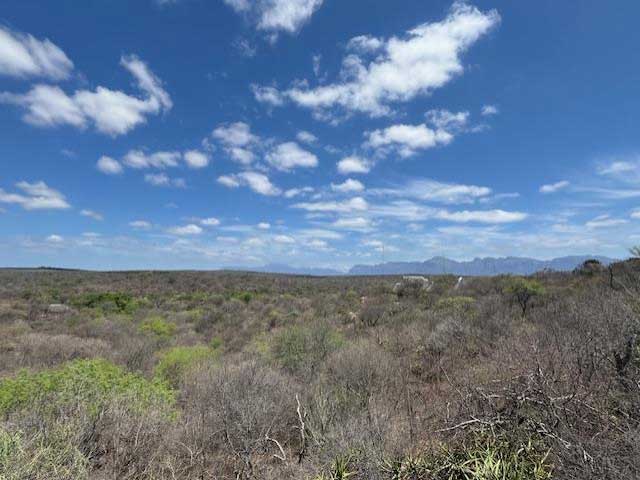
Dear Readers
We often get asked the question by private landowners whether there is a significant advantage to be gained by having a property declared a protected area in terms of the National Environmental Management Protected Areas Act (NEM: Protected Areas Act). In particular – is the property really protected from heavy impact activities such as mining?
There are different levels of protection offered by the NEM: Protected Areas Act and as defined in Section 9, but the most popular designation offering maximum protection to private landowners is that of a Private Nature Reserve, recognized by Section 23 of the NEM: Protected Areas Act.
This offers the strongest possible protection against prospecting and mining as Section 48 of the NEM: Protected Areas Act states that mining and prospecting may not take place in a declared private nature reserve.There are other advantages too, such as lower land rates on undeveloped portions and belonging to a network of protected areas.
However, the landowner needs to have a long-term conservation vision for the property.
Another benefactor of such a declaration are the predators and so called “problem animal” species. Too often maligned for “damage” to human and other property they are persecuted in areas that are not part of the protected areas network. Inside the network, they form part of the natural order where their managed impact is seen as beneficial to the proper functioning of the eco-system.
Gunn Bytes –
Slapp IS A COMMON STRATEGY FOR ERRANT DEVELOPERS
Added 28 April 2025

Dear Readers
You may have heard about the term SLAPP lawsuit. It’s an American derived term and stands for Strategic Lawsuit Against Public Participation (SLAPP).
The tactic is often employed by an errant developer when faced with opposition in the EIA process that cannot be overcome. So, for example, the developer may receive opposition from the public to a project either in the form of a substantive issue (ie: an impact of the project that cannot be acceptably mitigated) or a procedural issue (ie: improper process followed by the developer when carrying out the EIA).
Then in order to intimidate the person and out of frustration with not succeeding with the EIA, the developer will then sue the project opponent for damages. In the latest SLAPP case, a developer, Sandpiper Nature Reserve is suing local environmentalist, Tessa Joubert for almost R5 million regarding a high-density retirement estate in Sedgefield where Ms Joubert raised certain impacts of the proposed development including damage to sensitive coastal dune vegetation. The court will need to consider whether the claim is in fact a SLAPP lawsuit (Ms Joubert’s defence). SLAPP lawsuits have the effect of silencing the public’s voice in environmental issues, a right guaranteed by the Constitution. On the other hand, the EIA process can be manipulated by those opposing projects even when there are no legitimate environmental concerns.
At the end of the day, the issue that must be determined is whether there are unacceptable environmental issues (and have these been subjected to the requisite public participation) or not.
Gunn Bytes –
Are EIA’S EFFECTIVE?
Added 28 April 2025
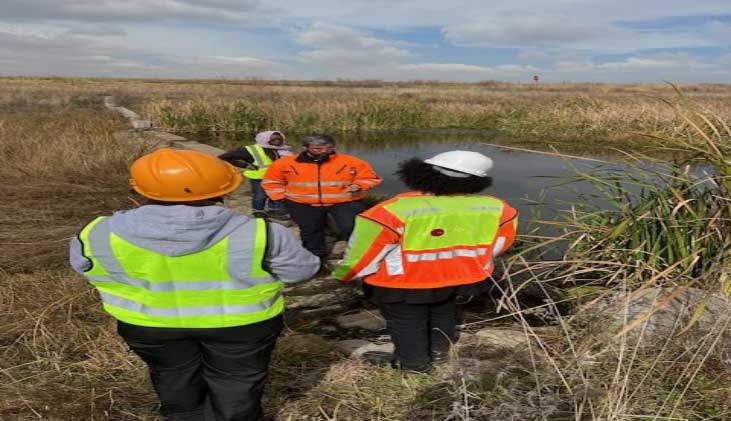
Dear Readers
We often get asked the question whether Environmental Impact Assessments (EIA’s) are effective or not?
The answer is not simple. And it’s combination of “yes” and “no”.
Yes, in the sense that it gives substance to the Constitutional environmental right of transparency through the public participation process, to be informed and to be involved in the EIA.
No, as oftentimes, the site for the development is predetermined (a mine, for example) and thus the environmental impacts cannot be avoided, but merely mitigated.The quality of the EIA, the objectivity of the Environmental Assessment Practitioner (EAP) and the specialists involved play a large role in determining whether the EIA is effective. Ultimately the EAP is required to make an objective professional recommendation, or “reasoned opinion” as per the EIA Regulations, whether, based on the impacts of the project (both positive and negative) the development should proceed. The input of Interested and Affected Parties, should be taken into account in moulding and shaping the EIA and thereby suitably influencing the EAP’s recommendation and reasoned opinion.
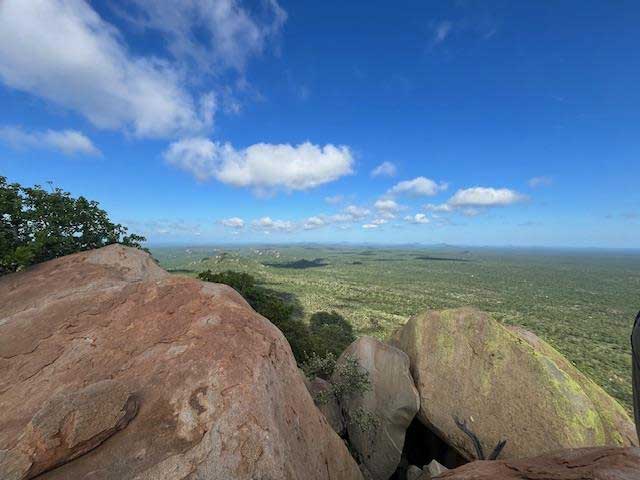
Gunn Bytes
Added 26 March 2025
Dear Readers
It is our goal for 2025 to bring you good news environmental-commercial opportunities.
And as our footprint grows to our neighbouring countries in Southern Africa – Namibia, Botswana, Zimbabwe, Mozambique, Eswatini and Lesotho, news and legal developments from the region will be included.
It is challenging to find sustainable economic solutions but at Gunn Attorneys we see things differently and we believe these solutions exist and can be implemented. It is this journey that we hope to be part of in 2025.
Please note that future content will appear on the Gunn Attorneys LinkedIn page.
Sona 2025 – WATER AT THE FOREFRONT
Added 26 March 2025
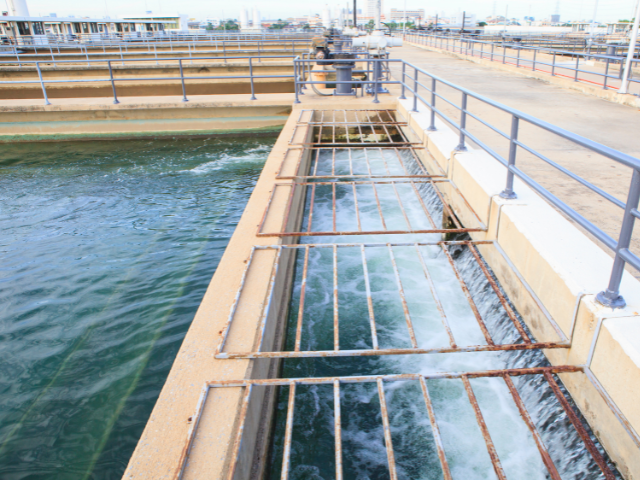
On 6 February 2025, President Cyril Ramaphosa delivered the first State of the Nation Address under the Government of National Unity at the parliamentary precinct in Cape Town. President Ramaphosa began with a tribute to the 14 South African National Defence Force soldiers who lost their lives in the conflict in the Democratic Republic of Congo, last month.
Amongst the various matters discussed by Ramaphosa, the issue of the supply of sufficient and reliable water and electricity in the country received notable attention. Ramaphosa claimed that, starting this year, National Government will work with municipalities to establish professionally managed, ring-fenced utilities for water and electricity services to ensure adequate investment and maintenance.
Ramaphosa emphasised the Government’s commitment to investing significantly in expanding South Africa’s water resources. The Infrastructure Fund, established to assist in facilitating commercial, international and institutional investment into public sector infrastructure projects, has secured R23 billion for seven large water infrastructure projects. Ramaphosa noted major water infrastructure projects such as Phase 2 of the Lesotho Highlands Water Project and the uMkhomazi Dam will proceed following the successful resolution of delays. Work is also underway to prepare for construction of the Ntabelanga Dam on the uMzimvubu River to supply additional water for domestic use and for irrigation in the Eastern Cape. Within the next year, Ramaphosa hopes to complete the establishment of the National Water Resource Infrastructure Agency to
unlock greater investment in water projects. The Water Services Amendment Bill, 2023 will, amongst other things, introduce a licensing system for water service providers and remove licenses where providers do not meet the standards for quality drinking water.
Other notable points in Ramaphosa’s address are the revitalization of South Africa’s port and rail networks in order to significantly expand the agricultural sector. South Africa’s significant mining industry will soon benefit from a new, modern and transparent mining rights system, which will unlock investment in exploration and production.
Disclaimer:
This newsletter does not aim to provide a summary of all legal developments in the environmental, mining and natural resources sectors. For professional legal advice on any particular issue, please contact us.
Gunn Bytes
Added 26 March 2025
Dear Readers
The integrated nature of water, river systems and water law are fascinating.
Let me explain what I mean. Water, clean water, is fundamental to life and in an economic sense, to development. No clean water, no life, no development. Most of our fresh water resources are found in river systems.
Many (perhaps all) of our greatest rivers on the planet are rivers that flow through multiple sovereign states. Each country with their own needs and aspirations and consequent demands on the river basin, or in international treaty parlance “the shared watercourse”.
There are multiple treaties around the world which cover critical shared watercourses such as the Nile, the Mekong, the Amazon, the Congo, the mighty Zambezi. And even though our rivers in Southern Africa are not as mighty, they are critical for our development, indeed, for our survival.
Southern Africa’s most populous metropolitan area, Gauteng is one of the largest cities in the world that is not located on a major river. Therefore, the need to implement large water transfer schemes. Gauteng owes its lifeblood to the integrated Vaal River system and to the significant contribution of the water transferred from the Senqu River in Lesotho (which becomes the Orange River in South Africa).
Water from these great rivers is not only essential for human life and development but also for the diverse eco-systems which they support. The balancing act to be achieved is for fair and equitable use for human needs for all riparian states, while ensuring that there is sufficient water available to support vital ecosystem functioning (also referred to as ecological flows (or e-flows) or the reserve).
In the Honourable President Ramaphosa’s SONA address delivered on 6 February 2025, he referred to transformation of the water sector in South Africa, such as potential changes to licensing requirements and stimulated private sector investment through new laws. This could bring critical investment to a sector that is in real need of stimulus.
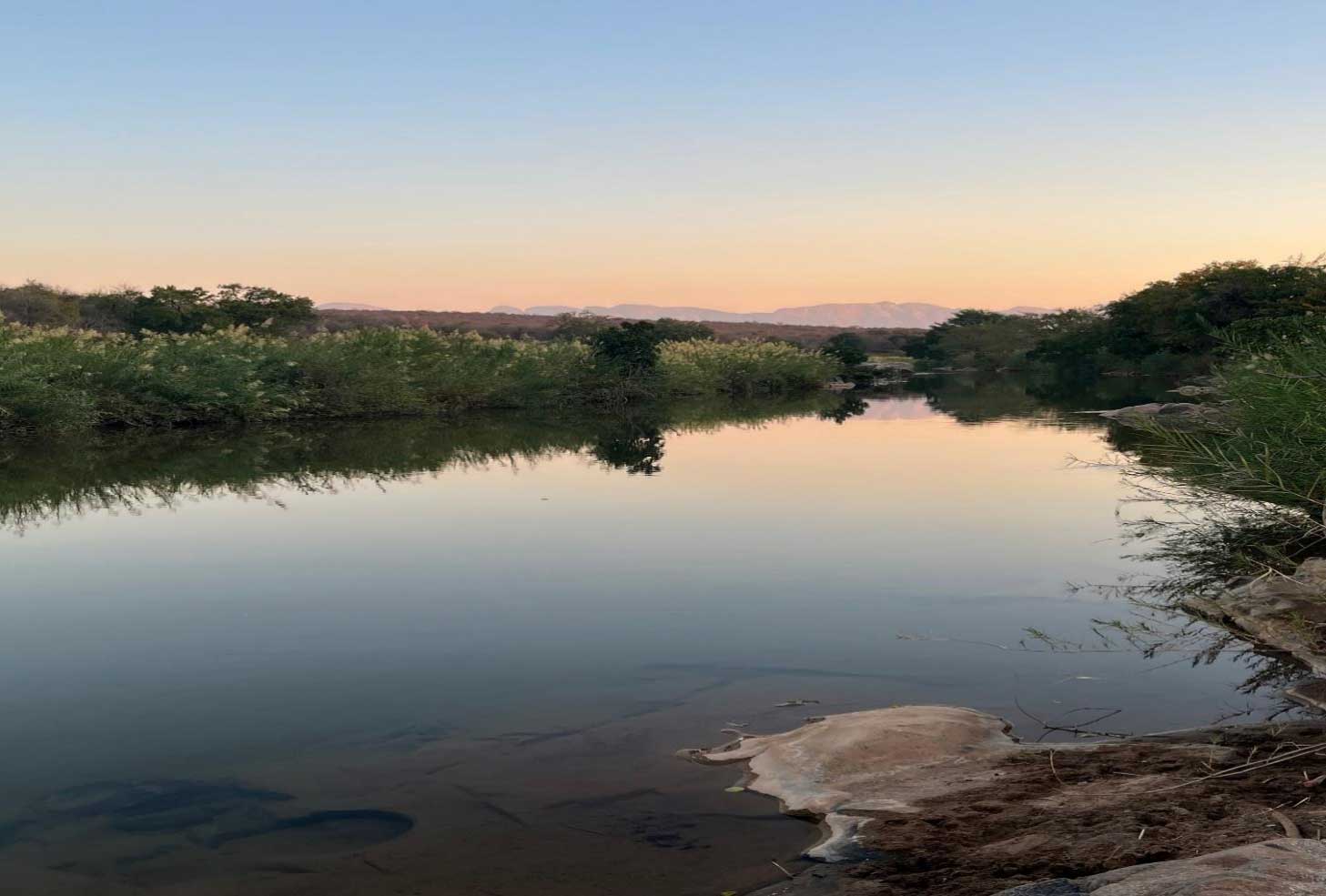
International Shared Watercourse Treaties
Added 26 March 2025
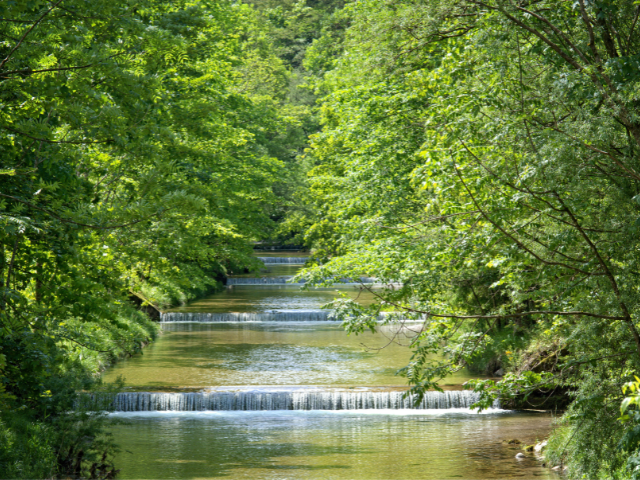
Following our recent post, earlier this week, on the topic of shared watercourses, Gunn Attorneys received many requests for more information relating to the various international treaties on shared watercourses. We have compiled a list of some of the most prominent international shared watercourse treaties together with links to these treaties, below:
The Amazon Cooperation Treaty, 1978:
The Mekong Agreement, 1995:
https://www.mrcmekong.org/wp-content/uploads/2024/08/MRC-1995-Agreement-n-procedures.pdf
Nile River Basin Cooperative Framework, 2024:
https://nilebasin.org/sites/default/files/2024-10/Announcement%20of%20the%20Entry%20into%20force%20of%20the%20CFA%20%20on%2013%20October%202024.pdf
Agreement on the Establishment of the Zambezi Watercourse Commission, 2011:
https://www.fao.org/faolex/results/details/en/c/LEX-FAOC180628/
The Revised SADC Protocol on Shared Watercourse Systems, 2000:
https://www.sadc.int/document/revised-protocol-shared-watercourses-2000-english
The Orange-Senqu River Commission (ORASECOM) Agreement, 2000:
Disclaimer:
This newsletter does not aim to provide a summary of all legal developments in the environmental, mining and natural resources sectors. For professional legal advice on any particular issue, please contact us.
New Plant Health Bill Signed into Law
Added 26 March 2025

On 13 February 2025, President Cyril Ramaphosa assented to the Plant Health (Phytosanitary) Bill, marking a significant step to strengthen international agricultural trade and biosecurity in South Africa. Officially the Plant Health (Phytosanitary) Act 35 of 2024 (“the Act”), the Act provides measures to control and prevent the introduction, establishment and spread of regulated pests in the country by managing the movement of plants, plant products and other regulated articles, into, within and out of the country. The Act replaces parts of the Agricultural Pests Act 36 of 1983 , specifically Section 3(1) relating to powers of the Minister of Agriculture (to the extent that these powers relate to plants) and Section 6 (relating to powers of the Executive Officer).
The Act seeks to address gaps and challenges in South Africa’s current legislation, including constitutional issues and alignment with the international prescripts and provisions of export in the phytosanitary system. Notable changes provide for the establishment of the National Plant Protection Organisation of South Africa, to oversee phytosanitary activities. Additionally, the Act will provide for the development of new regulations to facilitate exports, in-transit and re-export of plants and plant products, establishment of pest free areas and areas of low pest prevalence, the provision of which is an obligation in terms of South Africa’s signatory membership of the International Plant Protection Convention.
Any person who wishes to import and/or export any plants, plant products and other regulated articles will need to monitor relevant Regulations and Notices to be published under the Act in the future. These will define the limits of what may or may not be imported without a permit and will regulate how the permit process is administered.
Disclaimer:
This newsletter does not aim to provide a summary of all legal developments in the environmental, mining and natural resources sectors. For professional legal advice on any particular issue, please contact us.
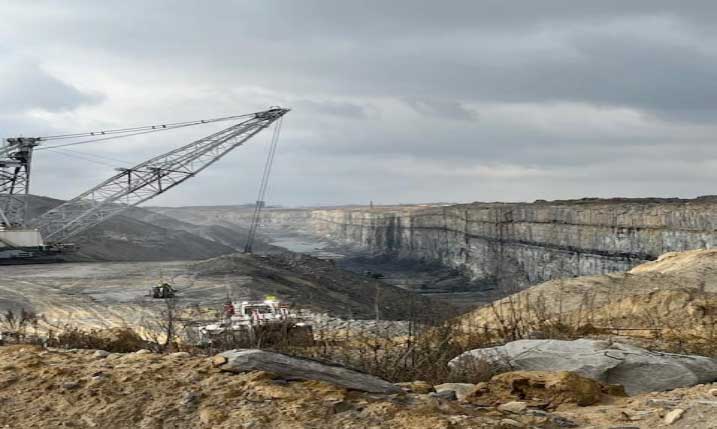
Gunn Bytes –
EAP’s beware
Added 26 March 2025
Dear Readers
In the course of our work, we are involved in a lot of Environmental Impact Assessments (EIA’s).
EIA’s are the primary instrument that caters for the authorization of Listed Activities in terms of the National Environmental Management Act (NEMA).
EIA’s are supposed to perform an independent assessment of the environmental impacts of a project, involve the public (through public participation) and find the best environmental solution for the project.EIA’s are carried out by Environmental Assessment Practitioners (EAP’s). EAP’s are under a legal obligation to perform an EIA in an objective manner and to fairly state the impacts of the project.
Sometimes this is what happens. Sometimes not. In a recent appeal decision by the Honourable Minister of the Department of Forestry, Fisheries and the Environment (DFFE) the Minister, advised by the independent technical expert found that the EAP had not complied with these duties. In fact, the Appeal decision noted that there was serious evidence of plagiarism in the EIA and of misconduct by the EAP. The matter was referred for further investigation and professional sanction against the EAP was recommended.
EAP’s beware- this Appeal decision confirms that EIA’s need to comply to the standards as prescribed in the NEMA EIA Regulations.
The Importance of ESG in South African Business
Added 26 March 2025

Introduction
Environmental, Social, and Governance (ESG) practices have become a cornerstone of modern business operations in South Africa. As the country grapples with challenges such as climate change, social inequalities and governance issues, embracing ESG principles is not just a moral imperative but a strategic necessity for long-termsuccess and resilience.
Environmental Stewardship
South Africa’s rich biodiversity and natural resources are under threat from climate change and unsustainable practices. Companies are now recognising the importance of environmental stewardship. This includes the adoption of renewable energy, with businesses increasingly turning to solar and wind solutions given the frequent power outages in the country. For instance, major retailers like Woolworths and Pick n Pay have installed solar panels on their stores, reducing reliance on the national grid and lowering carbon emissions. Companies are also implementing innovative water-saving technologies, with major entities like South African Breweries significantly reducing its water usage though efficiencymeasures and wastewatertreatment plants.
Social Responsibility
Addressing social inequalities and promoting inclusive growth are critical for South Africa’s stability and progress, with companies focusing on creating job opportunities in marginalised communities, focusing on skills development and gender equality.
Corporations are also investing in education initiatives, helping to bridge the gap in critical sectors. This approach not only provides employment but also contributes to broader social and economic development.
Governance and Transparency
Good governance practices are essential for attracting investment and building trust.
While voluntary, stakeholders are increasingly expecting South African companies to align with the King IV Code on Corporate Governance, which emphasizes ethical leadership, sustainability, and stakeholder inclusivity. More companies are also publishing comprehensive sustainability reports. In fact, 56% of companies in the Middle East and Africa now reportsustainability-related information.
The Business Case for ESG
Embracing ESG is not just about compliance; it’s a driver for innovation and competitive advantage. Companies with strong ESG performance are more attractive to investors. The Johannesburg Stock Exchange has introduced ESG disclosure guidance, reflecting the growing importance of these factors in investment decisions. ESG practices also help companies anticipate and manage risks related to climate change, resource scarcity, and social unrest, which are particularly relevant in the South African context. In addition, sustainability challenges are driving innovation. For instance, South African tech companies are developing AI-powered solutions for energy management and water conservation, creating new business opportunities while addressing environmental issues.
Challenges and the Way Forward
While progress is being made, challenges remain. These primarily relate to greenwashing concerns, implementation costs (especially for small and medium enterprises), and the skills gap, with the need for more ESG professionals in South Africa becoming more and more evident. Companies and educational institutions should therefore collaborate to develop relevant curricula and training programs.
Conclusion
As South Africa strives for sustainable development and economic growth, ESG principles offer a framework for responsible business practices that benefit both companies and society at large. By embracing ESG, South African businesses can enhance their resilience, attract investment, and contribute to the country’s transformation towards a more equitable and sustainable future.
Disclaimer:
This newsletter does not aim to provide a summary of all legal developments in the environmental, mining and natural resources sectors. For professional legal advice on any particular issue, please contact us.
Rewilding – African Parks Takes the Lead
Added 24 February 2025

Rewilding is a concept which has gained popularity recently and involves a broad range of concepts and initiatives. It can include rehabilitation of degraded land and habitat and presents opportunities to mitigate environmental impacts and then to go further by re-introducing species. It may even extend to climate change and sustainability initiatives. Therefore, it’s a very broad concept with huge potential and has even been termed progressive or sustainable conservation.
With its incredible biodiversity and mega-fauna, Africa presents amazing opportunities in this regard. One such initiative which has been groundbreaking is the rewilding of 2000 southern white rhinos.
The rhino story will be familiar to many who follow African conservation, as these rhinos, the result of a private captive rhino breeding operation, have been looking for a sustainable home for a few years.
Eventually and mainly as a result of financial stress, “Platinum Rhino”, in the North West Province of South Africa, which held in excess of 2,000 white rhino, was put up for auction on 26 April 2023. Having failed to receive any bids, the rhinos were facing serious risk of poaching and fragmentation, as they may have been sold off incrementally as part of a liquidation process and would have been lost to conservation forever.
African Parks came to the rescue and in September 2023 became the official custodian of 2,000 southern white rhino, with one, clear intent: to rewild these rhinos over the next ten years.
African Parks’ vision for the rhino is “to translocate them to multiple well-managed protected areas across Africa, establishing or supplementing strategic populations, helping to secure the future of the species across Africa.”
Credits and for more information:
Enviro Bytes
Added 15 August 2024

Dear Readers
It has been some time since we last communicated and we have decided to restructure the way that we communicate. We will be doing less of the traditional “newsletter” based content and more theme-based, focused communication. This will be done both through the Enviro-Byte forum and also via my Linked-In profile.
Our first theme is the fascinating field of conservation. Conservation and law are inextricably linked as law underpins all conservation.
Fore those readers who have been following our newsletters over the years, you will remember a reference to the iconic wording of the Proclamation of the Kruger National Park (now contained in Schedule 1 to the National Parks Act 57 of 1976):
“From the confluence of the Limpopo River with the Luvuvhu River (Pafuri River) generally southwards along the boundary of the Province of the Transvaal and Mozambique) to the point where the last-named boundary of the is intersected by the right bank of the Komati River …….
Or in respect of the Kgalagadi National Park “From the point where the extension of the western boundary of the farm Unions End …. Intersects the middle of the Nossob River; from there in a southerly direction along the middle of the said river to the point where the extension of the southern boundary of the farm Twee Rivieren crosses the middle of the Nossob River”
Hugely powerful words creating South Africa’s two most iconic conservation areas.
With increasing pressure from competing land uses, not only do we need our national parks to thrive but we also require the involvement of the private sector to identify, fund and sustain other projects to enable the preservation of Africa’s biodiversity.
Why?
Because the conservation of biodiversity is critical to the health of the planet and its socio-economic growth.
This landscape is a complex one but it is also rich with opportunity. Creative thinking is required to breathe life into these projects and a myriad of different structures and solutions is possible given the complexities of each one.
The African Parks investment in a significant White Rhinoceros breeding population is one example. Due to the sheer size and genetic importance of this super-herd, it has the potential to contribute to the re-population of the species in Africa.
Or the pioneering work being done by the Endangered Wildlife Trust (backed by investors The World Bank and Rand Merchant Bank) in issuing wildlife bonds that offer returns based on endangered species population growth for wild dogs and lions.
Or the re-wilding of UNESCO Biosphere Reserves such as the Waterberg, by dedicated conservationists and the Waterberg Alliance.
While exploring this theme, we will focus on the exciting legal, financial and commercial issues and opportunities associated with the future curatorship of existing biodiversity resources and the development of new projects. In addition, we will highlight some of the unsung heroes, particularly in respect of the smaller reserves, as they often have an interesting legal history and play an important role in biodiversity preservation.
Adam Gunn